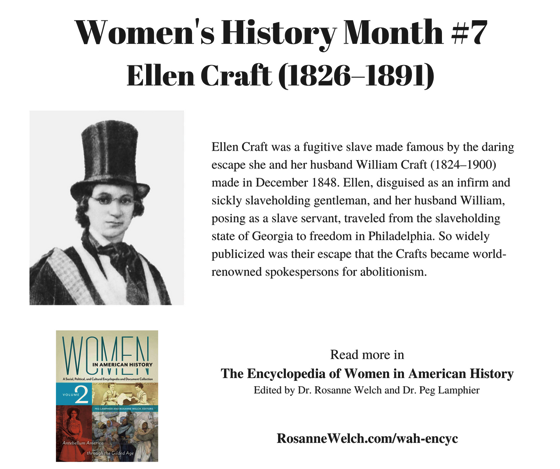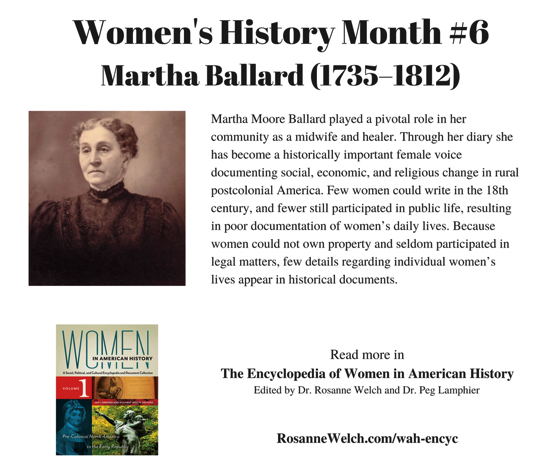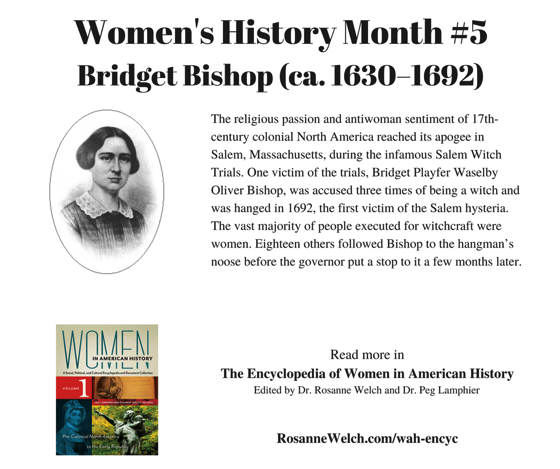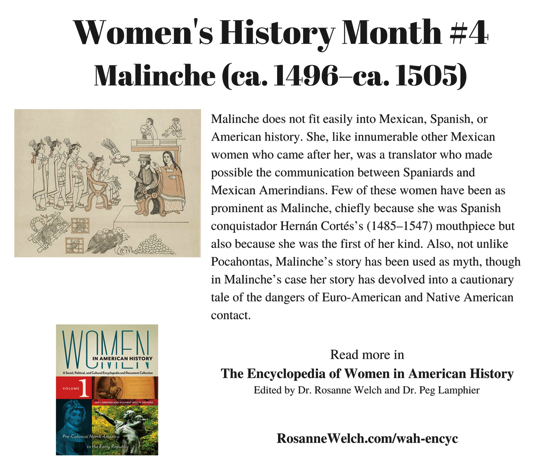
Here is a photo of the complete panel from this event.
The WOMEN WRITE NOW: BREAKING BARRIERS IN FILM, TV AND THE WEB — In order left to right: Kirsten Smith (10 THINGS I HATE ABOUT YOU, LEGALLY BLONDE), Gina Prince-Bythewood (Different World, Love and Basketball, Secret Life of Bees), Jessica Mecklenburg (STRANGER THINGS, BEING MARY JANE), Deborah Schoeneman (HAND OF GOD, GIRLS, THE NEWSROOM), Lauren Schuker Blum (ORANGE IS THE NEW BLACK), Rebecca Angelo (Control Alt Delete), Dr. Rosanne Welch
As the landscape of storytelling on film, television and the web evolves and changes, more women are leading the charge in breaking down gender walls in the industry. Each has her own story and a perspective about the challenges that women face as writers and creators in the field.
The Writers Guild Foundation and Stage 32 are partnering on this special event, which invites writers to discuss their careers and their experiences working as a woman in the industry, from where they started and how they got their material noticed to what the future for women in media looks like and what inspires them to write every day.
As the landscape of storytelling on film, television and the web evolves and changes, more women are leading the charge in breaking down gender walls in the industry. Each has her own story and a perspective about the challenges that women face as writers and creators in the field.
The Writers Guild Foundation and Stage 32 are partnering on this special event, which invites writers to discuss their careers and their experiences working as a woman in the industry, from where they started and how they got their material noticed to what the future for women in media looks like and what inspires them to write every day.
Panelists:
Lauren Schuker Blum (ORANGE IS THE NEW BLACK)
Jessica Mecklenburg (STRANGER THINGS, BEING MARY JANE)
Deborah Schoeneman (HAND OF GOD, GIRLS, THE NEWSROOM)
Kirsten Smith (10 THINGS I HATE ABOUT YOU, LEGALLY BLONDE)
More panelists to be announced. Stay tuned!
Doors open at 7pm. Event starts at 7:30pm. A networking reception will follow directly after the panel from 9pm to 10pm.
Stage 32 is dedicated to educating and empowering creatives from all walks of life, and as a continued commitment, we will provide every attendee with a free Stage 32 Next Level webinar (a $49 value), to help sharpen your skills and pave your trail in the industry.
About Stage 32:
“Stage 32 is LinkedIn meets Lynda for film and TV creatives” – Forbes Magazine
Stage 32 is the online platform connecting and educating film and TV creatives worldwide. Stage 32 provides over 1,000 hours of online education taught by some of the industry’s most prominent development, executives, managers, agents and producers.
All events advertised on our “Events” page are open to anyone who wants to buy a ticket – not just WGA members!
Proceeds benefit the Foundation’s library and archive and other outreach programs
You Can Please Some of the People Some of the Time… None of the People All of the Time: A History of the Art of Adaptation in Movies like Dune, The Godfather, Harry Potter and More!
Dr. Rosanne Welch speaks on A History of the Art of Adaptation in Movies like Dune, The Godfather, Harry Potter and More! at the California State University, Fullerton Library
Part of the program series for Dune by Frank Herbert: A 50th Anniversary Celebration.
…and it was worse when it went to television, which is another level of adaptation. I’m going to take a movie and I’m going to put it on TV where you can do even less, because we’re not in the movies. In this case, just look at how once we bring in Sally Field into the picture it gets even younger and there’s not a surfboard in sight. This entire book is about a girl who masters a sport. On TV it’s about a girl who talks on the phone and hangs out with cute boys. That’s an entire destruction of the point of that story and it was written by the father of the girl who had achieved that. So he was looking to make his daughter a respectable, interesting person. So, I think that’s an interesting example of something being ruined. Only in the book do you get the true story of what it was like. So, again, I’ll just go back, you have to read the book.
Dr. Rosanne Welch (RTVF) speaks on the craft of history of film adaptations from the controversy of the silent film Birth of a Nation (protested by the National Association for the Advancement of Colored People in 1915) to Breakfast at Tiffany’s (to which author Truman Capote famously said, “The only thing left from the book is the title”) to The Godfather . Naturally, the behemoth in adaptation – Harry Potter (which depended on the relationship created by adapter Steve Kloves and author J.K. Rowling) will be discussed, as will the subject of this month’s celebration: Dune.
Date: Wednesday, October 14, 2015 Time: 1:00pm – 2:00pm
About Dr. Rosanne Welch
Dr. Rosanne Welch is a professor in the Low Residency MFA in Screenwriting Program from Stephens College, California State University, Fullerton, Mount San Antonio Community College and Cal Poly Pomona. In 2007, she graduated with her Ph.D. in 20th Century U.S./Film History from Claremont Graduate University. She graduated with her M.A. in 20th Century United States History from California State University, Northridge in 2004.
Welch is also a television writer/producer with credits for Beverly Hills 90210 , CBS’s Emmy winning Picket Fences and Touched By An Angel . She also writes and hosts her own podcasts on 3rdPass.media, her first one titled “Mindful(I) Media with Dr. Rosanne Welch.”
You Can Please Some of the People Some of the Time… None of the People All of the Time: A History of the Art of Adaptation in Movies like Dune, The Godfather, Harry Potter and More!
Dr. Rosanne Welch speaks on A History of the Art of Adaptation in Movies like Dune, The Godfather, Harry Potter and More! at the California State University, Fullerton Library
Part of the program series for Dune by Frank Herbert: A 50th Anniversary Celebration.
…and that’s the story that people remember if they saw the movies. When this book came out, it was compared to “The Catcher in the Rye.” It was considered that kind of novel for girls. It was a “coming of the age.” She decides whether or not to have sex with a couple of the guys. it’s entirely up to her. There’s really nothing wrong with it. It’s a fascinating story that has been totally destroyed by the way it was turned into a film and it became a bubble gum film about a cute girl on the beach with cute boys. Totally, totally, cut the knees off of that book. Right? And she wen’t Hawaiian. She went to Rome. I mean it just became this cutesy-pie girl trying to find a boyfriend. Not the point of the novel at all. So the movies completely destroyed it to the point that we don’t teach Gidget in school. But you all probably had to read “The Catcher in the Rye.” Everybody. Right? we read the boy’s coming of age story. We don’t read the girl’s coming of age story. And I think that’s a huge mistake. I didn’t read Gidget until I was in my 40’s. And I went “Oh, it’s a cool book. I don’t know why anyone didn’t give this to me.”
Dr. Rosanne Welch (RTVF) speaks on the craft of history of film adaptations from the controversy of the silent film Birth of a Nation (protested by the National Association for the Advancement of Colored People in 1915) to Breakfast at Tiffany’s (to which author Truman Capote famously said, “The only thing left from the book is the title”) to The Godfather . Naturally, the behemoth in adaptation – Harry Potter (which depended on the relationship created by adapter Steve Kloves and author J.K. Rowling) will be discussed, as will the subject of this month’s celebration: Dune.
Date: Wednesday, October 14, 2015 Time: 1:00pm – 2:00pm
About Dr. Rosanne Welch
Dr. Rosanne Welch is a professor in the Low Residency MFA in Screenwriting Program from Stephens College, California State University, Fullerton, Mount San Antonio Community College and Cal Poly Pomona. In 2007, she graduated with her Ph.D. in 20th Century U.S./Film History from Claremont Graduate University. She graduated with her M.A. in 20th Century United States History from California State University, Northridge in 2004.
Welch is also a television writer/producer with credits for Beverly Hills 90210 , CBS’s Emmy winning Picket Fences and Touched By An Angel . She also writes and hosts her own podcasts on 3rdPass.media, her first one titled “Mindful(I) Media with Dr. Rosanne Welch.”
You Can Please Some of the People Some of the Time… None of the People All of the Time: A History of the Art of Adaptation in Movies like Dune, The Godfather, Harry Potter and More!
Dr. Rosanne Welch speaks on A History of the Art of Adaptation in Movies like Dune, The Godfather, Harry Potter and More! at the California State University, Fullerton Library
Part of the program series for Dune by Frank Herbert: A 50th Anniversary Celebration.
Gidget, in the 50’s, is a different story and I think this one is really sad. When you think of Gidget, if you thin of anything, you think of fluffy girl hanging out at the beach – cutesy, cutesy, cutesy. The crazy thing is, when this was first written — there’s an actual woman who is actually the maitre’d at Duke’s in Malibu right now in her 70’s and she is Gidget. Gidget is merely a nickname. it means girl-midget. So short girl. Petite girl and in her real life she grew up — her Dad, Fredrick Kohner, writer of early 50’s television shows — lived in Hollywood — and she would go to the beach every day and in a world where we overprotect our children today, I can’t even fathom that at 16 she would get in the family convertible, drive to the beach, stay all day without a cell phone or check-in time or any information, hang out with a bunch of 20-something surf dudes and learn how to surf in the ocean with no parent watching her. That was her actual life and the book is about how she strive to become as good a surfer as these men did, so that they would accept her not as a cute chick but as a surfer.
Dr. Rosanne Welch (RTVF) speaks on the craft of history of film adaptations from the controversy of the silent film Birth of a Nation (protested by the National Association for the Advancement of Colored People in 1915) to Breakfast at Tiffany’s (to which author Truman Capote famously said, “The only thing left from the book is the title”) to The Godfather . Naturally, the behemoth in adaptation – Harry Potter (which depended on the relationship created by adapter Steve Kloves and author J.K. Rowling) will be discussed, as will the subject of this month’s celebration: Dune.
Date: Wednesday, October 14, 2015 Time: 1:00pm – 2:00pm
About Dr. Rosanne Welch
Dr. Rosanne Welch is a professor in the Low Residency MFA in Screenwriting Program from Stephens College, California State University, Fullerton, Mount San Antonio Community College and Cal Poly Pomona. In 2007, she graduated with her Ph.D. in 20th Century U.S./Film History from Claremont Graduate University. She graduated with her M.A. in 20th Century United States History from California State University, Northridge in 2004.
Welch is also a television writer/producer with credits for Beverly Hills 90210 , CBS’s Emmy winning Picket Fences and Touched By An Angel . She also writes and hosts her own podcasts on 3rdPass.media, her first one titled “Mindful(I) Media with Dr. Rosanne Welch.”
Watching a rerun of The Rockford Files the other day I noted 2 interesting things – things that came up in conversations with writers, producers and development execs who gave guest lectures at our Stephens College MFA in Screenwriting over our last workshop session. Particularly, what came up was the idea of what execs and showrunners look for when they read a spec script. Several producers and show runners said they look for solid scenes and one or two spectacular lines of dialogue – lines that stood out as well-written and never strayed away from character.
So watching a first season Rockford episode called “The Four Pound Brick” I noted a line of dialogue that stuck with me over a few days. An older woman was walking away from the cemetery plot for her 26 year old son. She was commenting on the (then new) policy of not allowing headstones in favor of flat stones that allowed lawnmowers to ride over and therefore keep the whole area neater. She said, “I think cemeteries ought to be a bit messy. Like lives.” A very nice line that struck me as something that would make me want to read more of that writer.
Then I used IMDB to get the writer’s name: Leigh Brackett. You might (or so I say you should) recognize her name from a number of successful hard-boiled, manly-man detective and western films such as The Big Sleep, El Dorado, and Rio Bravo. She also wrote a slew of science-fiction/fantasy books and often collaborated with Ray Bradbury.
I don’t like the fact that this is a compliment, but it was then and still is: Director Howard Hawks thought Leigh Brackett was a good writer because – according to him – she wrote “like a man”.
For my fellow Star Wars fans, you will recognize Brackett for her co-screenwriting credit (shared with Lawrence Kasdan) for Star Wars: The Empire Strikes Back. Long-time fan of her writing, George Lucas, wanted her and only her to write the sequel to his blockbuster film once he’d figured out he liked directing and world-building more than the nuts and bolts of executing those big dreams on the big screen. He wanted Han Solo to be a combination of Humphrey Bogart and John Wayne – a manly man with a sensitive side – and hired the woman who could do that. But she died of cancer after writing the first version of the script so Lucas did some work on her draft before asking Lawrence Kasdan to finish the screenplay. Both men respected and admired Brackett so much – and kept so much of her characterizations and structure – that her name remains on the final script. Apparently, there was only one copy of her version at an archive but eventually it made its way onto the internet where you can read it:
I like Han Solo’s line about Hoth: “I doubt if God even remembers where he hung this star.” I wonder how many rewrite drafts it survived until either Lucas or Kasdan decided not to mention gods of any kind in their alternate universe…
But it was interesting to see that the advice of current showrunners helped me pick out a quality writer in the midst of her career. I haven’t researched how she came to write a Rockford episode but many screenwriters of the 40s and 50s turned to television for a while since it was such a lucrative market.
As a final note, the IMDB trivia page tells us that the character “Sheriff Leigh Brackett” in John Carpenter’s independent horror film Halloween (1978) was named after her. It’s a nice tribute, but a nicer one would be that more of us recognize her name more often.
Photos of the panel and the full house/sold out audience from Women Who Run the Room: A Conversation with Showrunners. The Stephens MFA in Screenwriting co-sponsored this event with the Writers Guild Foundation. (from left to right: Dr. Rosanne Welch, moderator; Alexa Junge from Grace and Frankie; Dee Johnson from Nashville; Laurie McCarthy from Reign; Lizzy Weiss from Switched at Birth; SJ Hodges from Guidance)
Do you want to be a screenwriter? Check out these books!
Dr. Rosanne Welch will be hosting this WGA panel discussion sponsored by Stephens College MFA in Television and Screenwriting, where she teaches The History of Screenwriting and Writing the One-Hour Drama.
On this special Saturday event, a panel of female showrunners discusses their experiences of running a room and the impact of increasing female voices in television.
Panelists:
Alexa Junge – GRACE AND FRANKIE, UNITED STATES OF TARA, FRIENDS
Check back for more panelist announcements.
Increasing the Power of Women’s Voices in Hollywood Moderated by Dr. Rosanne Welch with Kate Powers, Minoti Vaishnav, Allison Schroeder, Elizabeth Martin, and Niceole Levy.
For the discussion titled “Increasing the Power of Women’s Voices in Hollywood”, I was joined by five up and coming writers in Hollywood with projects ranging from the live-action Mulan to The Mysteries of Laura.
These women tell stories of how they trained to be writers, how they obtained managers and agents and the joy of their first script sales, while constantly considering one of my major themes: How important it is to have a female voice in the room.
I want to thank the entire TEDxCPP team for all their hard work in preparing the event on our campus.
I hope all the women — and men — who watch it remember how important it is to listen to “the female voice in the room.”
When people collaborate, there is a greater chance of success. Collaboration works best when there is diversity within the people. Making sure to speak up on behalf on your identities and make sure they are being represented is important.
Dr. Rosanne Welch teaches Humanities courses in the IGE Department at California State Polytechnic University, Pomona; screenwriting in the California State University, Fullerton RTVF Department; and film history and screenwriting courses for the MFA in Screenwriting program of Stephens College.
This talk was given at a TEDx event using the TED conference format but independently organized by a local community. Learn more at http://ted.com/tedx