From the Pasadena Playhouse to Warner Brothers, Paramount, and Disney: The Screenwriting Journey of Catherine Turney – Dr. Rosanne Welch, Script Magazine, April 2026


Though writer Catherine Turney was born (in 1906) and raised in Chicago, she and her parents moved to Pasadena in her later teens and that made all the difference. At the age of 20, Turney began working for the School of Theatre at the Pasadena Playhouse where she eventually attended. Turney graduated in 1931 and immediately began working on a play. Bitter Harvest, the story of the controversial relationship between Lord Byron and his sister Augusta Leigh. It marked Turney as a writer of substance with an ability to adapt classics.

Various sources claim that director Dorothy Arzner at MGM then hired Turney to adapt an unpublished novel by Ferenc Molnár’ into a vehicle for Joan Crawford. In the end the The Bride Wore Red credits went to Tess Slesinger and Bradbury Foote. It was typical in the studio system – and before the existence of the Writers Guild – for several writers to be assigned the same project and the producer would decide who received credit in the end.


Read From the Pasadena Playhouse to Warner Brothers, Paramount, and Disney: The Screenwriting Journey of Catherine Turney


Read about more women from early Hollywood

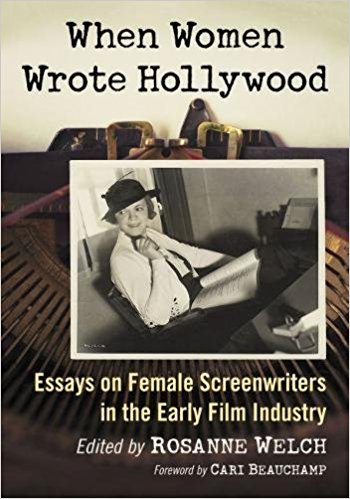
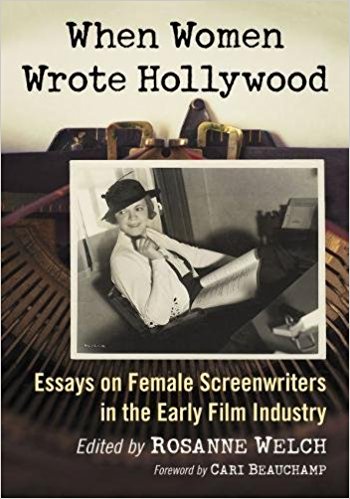
When Women Wrote Hollywood


Dr. Welch Interviewed for New Documentary on Gene Stratton Porter

Dr. Welch Interviewed for New Documentary on Gene Stratton Porter

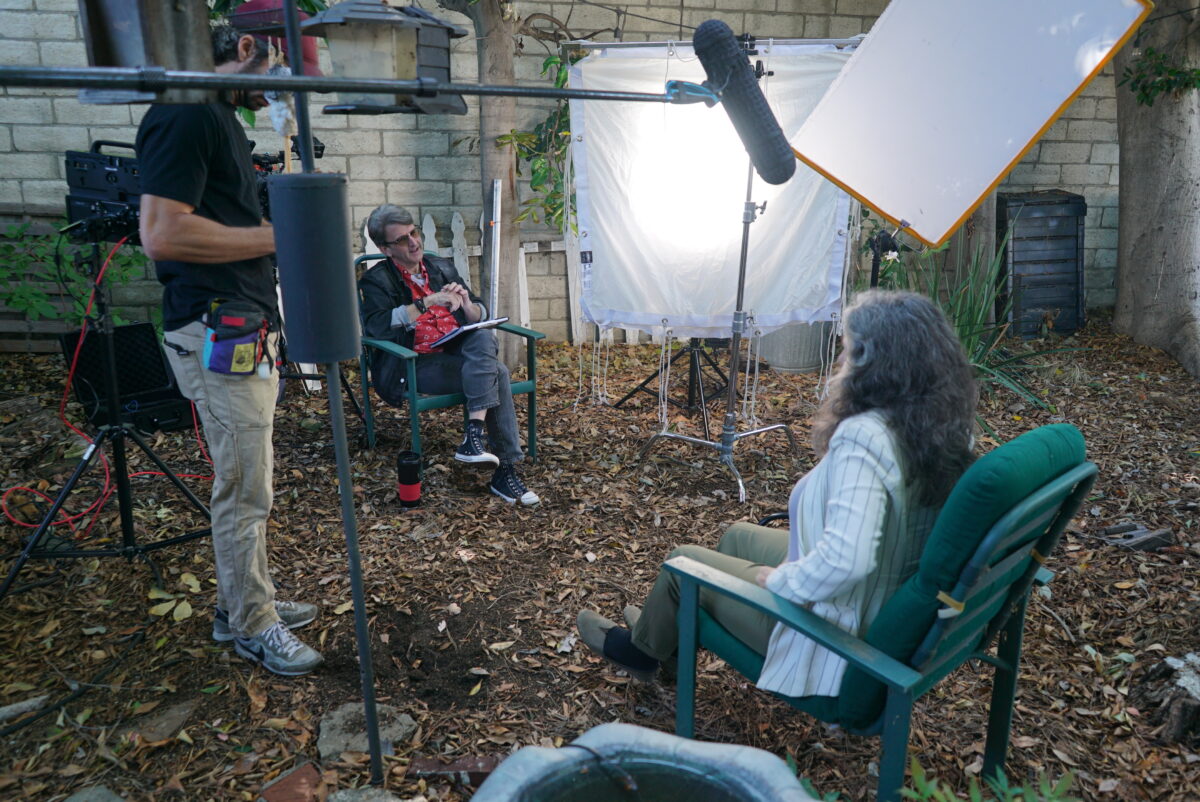
On Tuesday, April 14th, our backyard became a studio with lights, a camera, and the action being me being interviewed about what work was like for women in early Hollywood.
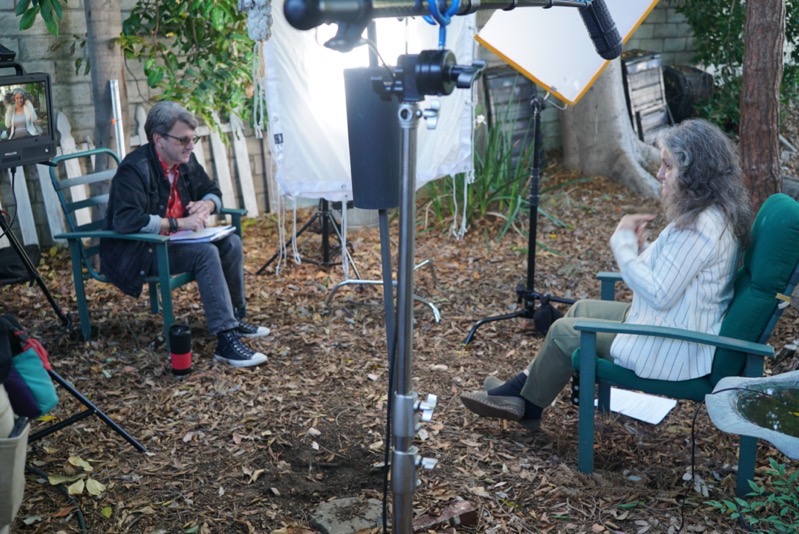
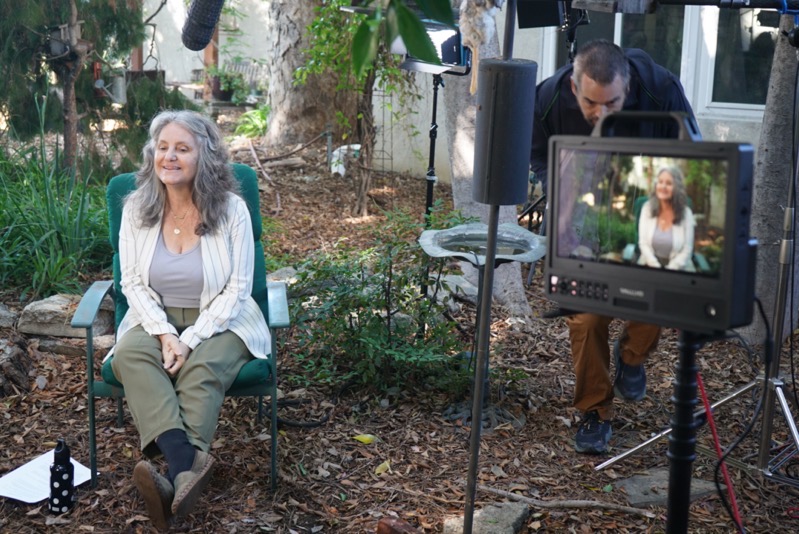
Emmy award-winning documentarian Todd Gould, whose other PBS documentaries involve Indiana-based stories of people and events that influenced the world, including Ernie Pyle and Gennett Records,

is working on a new documentary covering the life of environmentalist, novelist, and filmmaker Gene Stratton Porter. Gould is hoping to shed light on this early female film pioneer, who was also an extremely successful author of fiction and nonfiction works, nature photographer, environmental activist and feminist who worked with the suffrage movement.
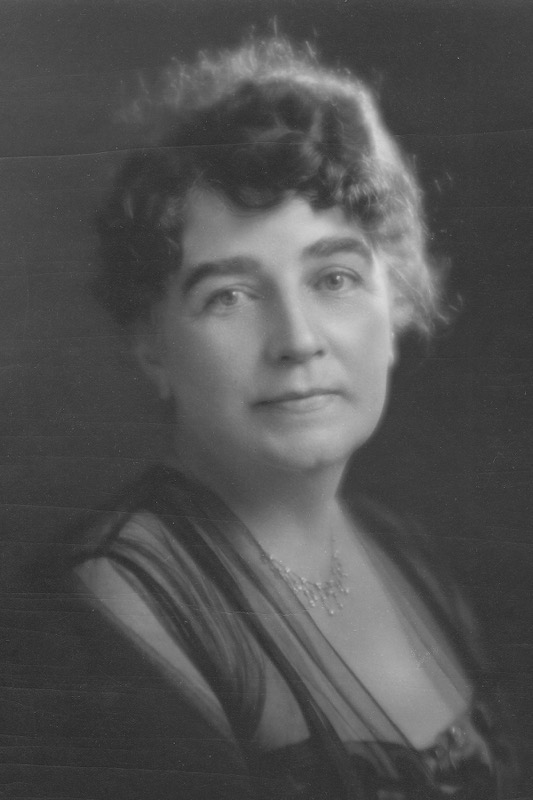
GSP Portrait 01 - Front 4X6.

By GspmemorialOwn work, CC BY-SA 4.0, Link

When he contacted me, it was maddening to learn there was yet another woman from the early 1900s whose name I had never seen in history books, yet she had the prescience to recognize that making movies of her books would increase their value so she built a film studio in Hollywood to do exactly that. At the same time, she was calling for caring for our environment long before Rachel Carson wrote Silent Spring in 1962. Gene was out photographing birds and nature, and drawing attention to our effect on the planet 50 years earlier.
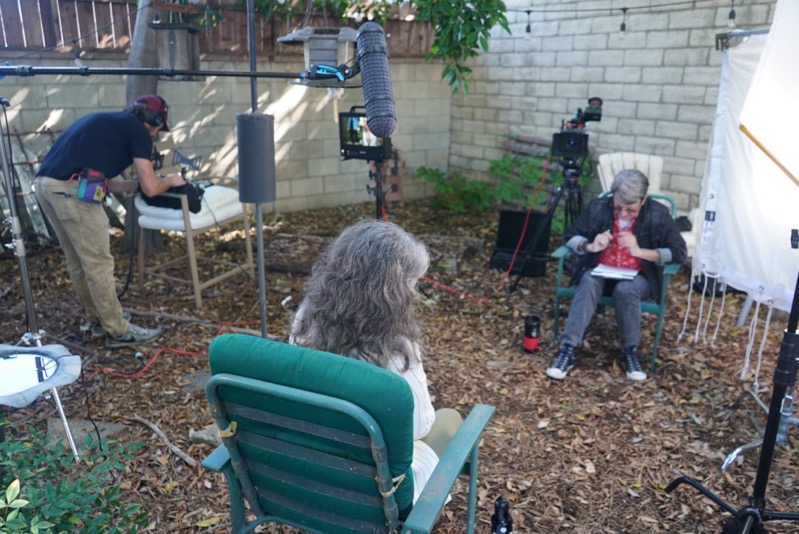
Gould and his local crew set up in our plant-filled backyard as he wanted a natural setting for as many of his interviews as possible. Then we chatted about the many ways women helped found Hollywood, how tough that work was, and how the studio system mitigated women’s progress in the industry, which is one explanation for why so many people don’t know women like Gene Stratton Porter. Thanks to Todd’s documentary, soon they will, and I’m very proud to play a small part in bringing her work – and the work of many other early female screenwriters to greater audiences.

The documentary is slated to premiere in November 2026 (probably sometime around Thanksgiving time)

Knowing History and Writing for the “It Girl” Launched The Screenwriting Career of Ethel Doherty – Dr. Rosanne Welch, Script Magazine, February 2026


Scriptmag 202603.

Many of today’s screenwriters have come from the world of education so it could be said they are following the path laid out by Ethel Doherty in the 1920s and 30s. Born in Los Angeles in 1899 Doherty and the film industry grew up together. Her parents moved back and forth between Los Angeles and Arizona, so Doherty majored in history and graduated from Arizona State Normal School with plans to be a high school teacher.

Back in Los Angeles she spent two summers at the University of Southern California (USC) and a third one at University of California. Her interest in the film industry meshed with Louise Long, a friend she met at USC, but like many aspiring screenwriters, even today, they needed to pay their bills so both women became high school teachers by day and collaborated on screenplays by night.

Read Knowing History and Writing for the “It Girl” Launched The Screenwriting Career of Ethel Doherty


Read about more women from early Hollywood

When Women Wrote Hollywood


A Master of Musical Romances: The Screenwriting Career of Dorothy Kingsley – Dr. Rosanne Welch, Script Magazine, February 2026

Scriptmag 202602.

In honor of Valentine’s Day it’s time to celebrate a female screenwriter who managed to take bubble-gum parts for actresses and give them more gumption, gravitas, and giggles inside the light musical genre films she was assigned.

Born in New York City in 1909, Dorothy Kingsley could be called a nepo-baby as her mother Alma Hanlon became a silent film star a few years later. Hanlon acted for 4 years from 19150-1919. By then she had left her husband Walter J. Kingsley (press agent to Florenz Ziegfeld), married again and moved young Dorothy to Michigan.

Eventually, Kingsley found her way back into the industry but this time by moving herself and her 3 children to Los Angeles where radio was king. There she met Constance Bennett who like her mother had been a big silent film star in the 1920s but now hosted a radio show. Bennett began buying Kingsley’s jokes for her monologues which lead to a place on the writing staff of the The Edgar Bergen Show.

Read A Master of Musical Romances: The Screenwriting Career of Dorothy Kingsley


Read about more women from early Hollywood

When Women Wrote Hollywood


Trusted to Write for the Greatest Stars of the Silent Screen: The Screenwriting Career of Ruth Cummings – Dr. Rosanne Welch, Script Magazine, January 2026

Scriptmag 202601.

Though born in 1894 in Washington, D.C., the family business was theatre, not the politics of President Grover Cleveland’s administration.  With an actor for a father – Henry Dupree Sinclair – the future Ruth Sinclair would also begin her career on the stage before turning to film, where she wrote for silent stars such as Lillian Gish, Greta Garbo, and Joan Crawford.

Read Trusted to Write for the Greatest Stars of the Silent Screen: The Screenwriting Career of Ruth Cummings


Read about more women from early Hollywood

When Women Wrote Hollywood


Rosanne presents “Creative Play #8: Emotional Monologues Written By A Few Accomplished Female Television Writers” – Screenwriting Research Network [Video]

I was pleased to be asked to host a session of the Creative Play Working Group of the Screenwriting Research Network (SRN), chaired by Professor Chris Neilan of Edinburgh Napier University.

I had the chance to introduce the attendees to some wonderfully emotional monologues written by a few highly accomplished female television writers, from Susan Harris (on SOAP) to Linda Bloodworth Thomason (on Designing Women) to Maxine Alderton, who wrote a great monologue for the Jodie Whitaker Doctor in her episode “The Haunting of Villa Diadoti”.  (Doing a bit of history by showing monologues from TV shows from the 1970s and 80s is one of my goals in our MFA – along with celebrating female screenwriters).    

Then I introduced an exercise in writing monologues that involves Thornton Wilder’s Our Town as an inspiration. A few of the attendees shared what they wrote so we could all learn more about how the specificity we bring from our own lives makes our work more universal.  

Thanks to Leslie Kreiner for inviting me to do a presentation on Monologues to a conference last year, which created the seed of this exercise.  Thanks to Chris for the invitation to share it – and to all the attendees for… attending.  Special thanks to those who shared what they wrote to help others see if this is an exercise they would like to incorporate into their teaching.

Rn conversations creative play 8.

Rosanne Presents on Shaping Global Cultures Through Screenwriting – Stephens College [Video]

Recently, I was asked to make a short presentation to the faculty of Stephens College about the newest book I edited alongside my dear friend and Screenwriting Research colleague Rose Ferrell. Shaping Global Cultures Through Screenwriting: Women Who Write Our Worlds.

Rmw sgc book cover.

I was happy to discuss the inspiration for the book, which came from a conversation Rose and I had during a conference. That’s one of the best things about gathering for conferences – the casual conversations that create new collaborations.

I was also happy to discuss the way we arranged the book in “Worlds” because continents are the easiest classification. I give a quick thumbnail of one chapter in each of those Worlds to highlight what type of social or legal advocacy the screenwriter in discussion addressed. It was lovely to be reminded of all the interesting stories told by the writers of each chapter and to appreciate the cultural diversity of storytelling around the world that Intellect made possible by publishing the book.

Book authors 3.

Chapters cover a spectrum of storytelling from artists offering a window into how women around the world use the screen to advocate for social or legal change. For example, the Samoan performance artist Angela Tiatia, known for her 2014 work, ‘Walking the Wall.” Tiatia displays her Malu Tatau tattoo, which symbolizes the preservation and documentation of cultural practice and identity in online spaces.

Juan Carlos w book.

One chapter focuses on a junior Pacific Islander lawyer who created a music video calling on the International Court of Justice to issue an advisory opinion on climate change, a matter of concern as rising sea levels threaten the homes and histories of island communities. Other readings in the book examine the film “Kajillionaire” by Miranda July as a platform for imagining queer utopias, the transformative power of the female gaze in the Italian documentary “Trial for Rape,” and the frequently ignored creative roles and contributions that women make behind the scenes of the beloved children’s television show “Bluey.”

It was a pleasure to make this presentation for my colleagues. I hope you enjoy it, too.

Sexual Liberation 1920s Style: The Screenwriting Career of Josephine Lovett – Dr. Rosanne Welch, Script Magazine, December 2025

Scriptmag 202512.

In the Silent Era, before the existence of the Hays Code (and largely a cause for it), many female screenwriters wrote heroines who flouted the brazen sexual freedom of the new century, a specialty of Josephine “Jo” Lovett. Born in October 1877 in San Francisco Lovett would spend some time as a lead actress on the Broadway stage before moving to Los Angeles to both act and write what were called scenarios for the bulk of her career.

Read Sexual Liberation 1920s Style: The Screenwriting Career of Josephine Lovett


Read about more women from early Hollywood

When Women Wrote Hollywood


From Missouri to Musicals: The Screenwriting Career of Dorothy Yost – Dr. Rosanne Welch, Script Magazine, November 2025

Scriptmag 202511.

Born on April 25, 1899 in St. Louis, Missouri to Alice Kern and Robert M. Yost, Dorothy moved to Los Angeles to work in the burgeoning film industry and clearly succeeded in that goal.  By the time she died in 1967 Yost had written over 80 films and achieved what many other writers did not – thriving in both Silent Films and into the Sound Era. Interestingly, it was her foray into film that brought her journalist brother Robert Yost into the film industry after she found her footing there. Her first screenwriting credit came in 1920, his in 1935 after some years on the staff of local newspapers, as publicity director for Fox West Coast Studios and finally head of the scenario department for Fox.

Read From Missouri to Musicals: The Screenwriting Career of Dorothy Yost


Read about more women from early Hollywood

When Women Wrote Hollywood

Book Recommendation: “The Last Secret Agent: My Life as a Spy Behind Nazi Lines” by Pippa Latour with Jude Dobson

Just finished my rainy weekend read and I highly recommend it:

“The Last Secret Agent: My Life as a Spy Behind Nazi Lines”

It’s the story of Pippa Latour, the last surviving female radio operator who was parachuted into occupied France to travel from hidden radio to hidden radio, sending back information to help the Allies land in Normandy on D-Day. She wasn’t going to tell her story until her sons convinced her it would help people understand those times and the ultimate sacrifice many other radio operators made.

As a Doctor Who fan it was cool to see Noor Inayat Khan mentioned as she appeared as a historic figure in the Jodie Whittaker era in “Spyfall, Part 2”, the 2nd episode of series 12. I mention Noor, in a lecture I’ve given about all the feminism show runner Chris Chibnall put into that era, including having the Doctor meet a strong collection of historic females: “She is Wise and Unafraid: Writing the 1st Female Doctor and a Diverse Universe for her to Protect”:

In September 1944 Noor was executed at the Dachau concentration camp along with fellow agents Yolande Beekman, Madeleine Damerment and Eliane Plewman – all women who had volunteered for these deeply dangerous missions. Reading books about female heroes is a great way to spend a rainy day – and find some more amazing stories that ought to be adapted into films or included in our other writing as often as possible!