Finding Diversity in Television History in the David Dortort Archive at the Autry Museum

Today we thank Shonda Rhimes for bringing color blind casting to television when she casts a diverse array of ethnicities in lead roles on her shows.  But she didn’t invent the idea.  On our visit to the Autry Museum of the American West I was reminded of a show I used to watch on television but that disappeared too quickly (I didn’t then know why) and didn’t reappear in reruns as much as the more successful, longer-running program also created by the same writer (Bonanza).

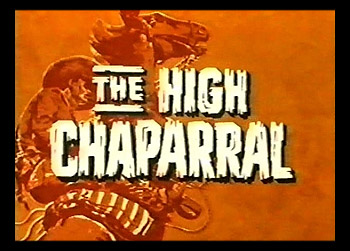
1968-TV-099-TheHighChaparral


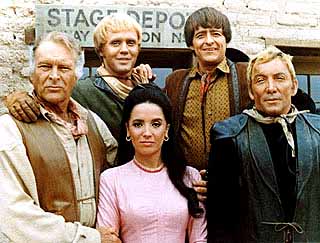
The show I only vaguely remembered was The High Chaparral – the story of a Mexican woman married to a man of European descent (then controversially considered an inter-racial marriage) who owned a rancho in the West post the Civil War.  I remembered it for its diverse cast and honest portrayal of the discrimination played out against minorities in the West.

Special Projects Archivist Mallory Furnier wrote the blog post, “Casting Actors as People” highlighting the archives of The High Chaparral in the David Dortort Archive, where she noted:

“Though The High Chaparral faced untimely cancellation, its four seasons embodied a step away from tired, inaccurate stereotypes and a movement toward greater respect for actors and characters, regardless of race. As a June 16, 1970 NBC memo instructed, “let’s cast actors to play people and, in so doing, give the ‘minorities’ a break.”

hc-cast

In a second blog post, “Finding Aids and Places”,  Furnier discussed her trip to the Old Tuscon Studios in Arizona, site of some of the exterior filming of the show.

As always, I found it fascinating to wander around in the papers (old, handwritten first drafts of scripts, typed rewrites ready for production meetings, cast lists, shooting schedules, etc) and see the inside ideas of a show I had only seen from the outside all those years ago.

One of the papers was even a 1971 letter to Dortort from then U.N. Representative George H. W. Bush saying he sympathized with the producer over the cancellation of such a quality show and would do what he could to communicate that to those who had made that decision.  Fascinating.

Listen to the High Chapparal Theme Song.

High Chapparel script cover

High Chaparral Script Cover


Please tell your local librarian about my book, Women in American History: A Social, Political, and Cultural Encyclopedia and Document Collection

We know our new 4-volume encyclopedia Women in American History: A Social, Political, and Cultural Encyclopedia and Document Collection is not the kind of thing an average person purchases based on size and cost (though I remember a pre-internet time when door-to-door salesmen still hawked the Encyclopedia Britannica and my mom bought a copy to help me do well in school and get to college).

In this modern world, if you want to help Peg and I (and all the students who can benefit from learning about all these wonderful women who helped shape American culture) consider passing a copy of the attached flyer out to your local public or university librarians (in print and/or via email) and ask if they will order a set for their branch.

Thanks!

rmw-first-name-signature

Click to download the PDF flyer, ready for printing or attaching to an email

wah-encyc-flyer


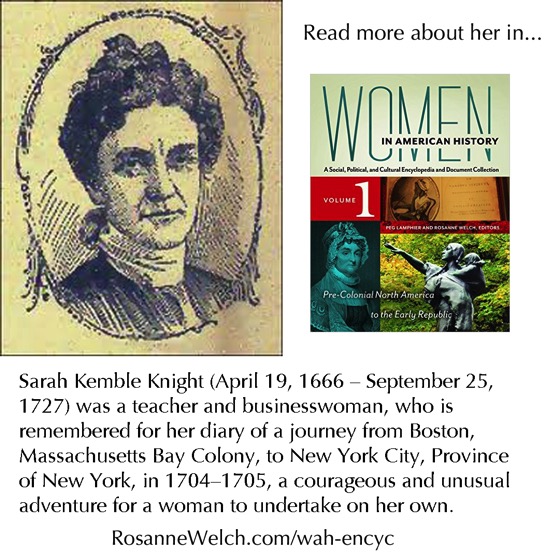
Women in American History: Sarah Kemble Knight

Women in American History: Sarah Kemble Knight - Read more about here in Women in American History

“Sarah Kemble Knight (April 19, 1666 – September 25, 1727) was a teacher and businesswoman, who is remembered for her diary of a journey from Boston, Massachusetts Bay Colony, to New York City, Province of New York, in 1704–1705, a courageous and unusual adventure for a woman to undertake on her own.” — Wikipedia

Learn more about Sarah Kemble Knight in Woman in American History