I found she was in Rome during the Risorgimento of 1849 and called on America to send a smart ambassador to Rome, writing:
“Another century and I might ask to be made Ambassador myself, but woman’s day has not yet come.”
She was about right. In 1953 Clare Booth Luce (playwright known for ‘The Women’, elected to the House of Representatives in 1942, ) became the first female ambassador to Rome. Margaret was only off by 5 years.
†
†
* A portion of each sale from Amazon.com directly supports our blogs ** Many of these books may be available from your local library. Check it out! † Available from the LA Public Library
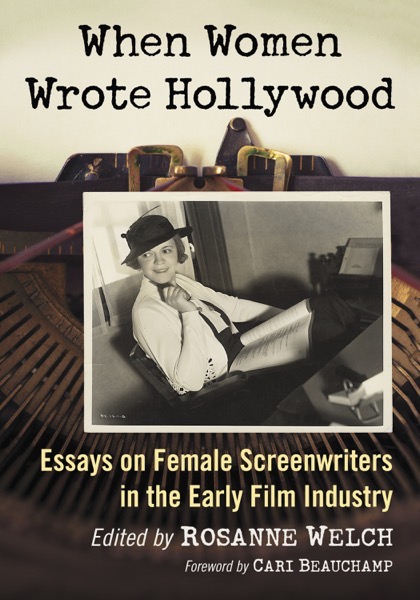
These 23 essays cover a range of female screenwriters from the early years of film through the 1940s, women whose work helped create the unforgettable stories and characters beloved generations of audiences but whose names have been left out of most film histories. Not this one. This collection is dedicated to those women and written by a group of women grateful to stand on the shoulders of those who came before – as a beacon to those who will come after.
Many thanks to the essay contributors who joined us and spoke so eloquently about the women writers they had researched: Toni Anita Hull, Laura Kirk, Amelia Phillips, Sarah Phillips, Julie Berkobien, Khanisha Foster, Lauren Smith, and to Cari Beauchamp, who wrote the Forward to the collection.
* A portion of each sale from Amazon.com directly supports our blogs ** Many of these books may be available from your local library. Check it out! † Available from the LA Public Library
“The resounding mythology around the start of Macpherson’s film career is that she, with immeasurable pluck, simply walked into D.W. Griffith’s office and waited for him for days on end. Finally, the assistant asked about her. “I told him my stage experience. He ignored it, scorned it. ‘We want to know what you can do before a camera,’ he said.”
Jeanie Macpherson: A Life Unknown by Amelia Phillips
* A portion of each sale from Amazon.com directly supports our blogs ** Many of these books may be available from your local library. Check it out! † Available from the LA Public Library
The representation of women in film is often troublesome at best. Hollywood films are often extremely gendered and lack adequate female representation. Male characters greatly outnumber female characters in many films, and female characters in movies are frequently underdeveloped and greatly lack any real depth.
When women are present in film, they are often presented only in relation to men. So even when there are multiple female characters in a film, they mostly only discuss their boyfriend, husband, father or brother. Because of this, cartoonist Alison Bechdel wrote a set of rules in her comic strip “Dykes to Watch Out For” that could help determine whether a film presents fully formed female characters.
* A portion of each sale from Amazon.com directly supports our blogs ** Many of these books may be available from your local library. Check it out! † Available from the LA Public Library
These 23 essays cover a range of female screenwriters from the early years of film through the 1940s, women whose work helped create the unforgettable stories and characters beloved generations of audiences but whose names have been left out of most film histories. Not this one. This collection is dedicated to those women and written by a group of women grateful to stand on the shoulders of those who came before – as a beacon to those who will come after.
Many thanks to the essay contributors who joined us and spoke so eloquently about the women writers they had researched: Toni Anita Hull, Laura Kirk, Amelia Phillips, Sarah Phillips, Julie Berkobien, Khanisha Foster, Lauren Smith, and to Cari Beauchamp, who wrote the Forward to the collection.
* A portion of each sale from Amazon.com directly supports our blogs ** Many of these books may be available from your local library. Check it out! † Available from the LA Public Library
Rosanne Welch, PhD, Author of Why The Monkees Matter, presents “How The Monkees Changed Television” at a Cal State Fullerton Lunch Lecture on May 8, 2018.
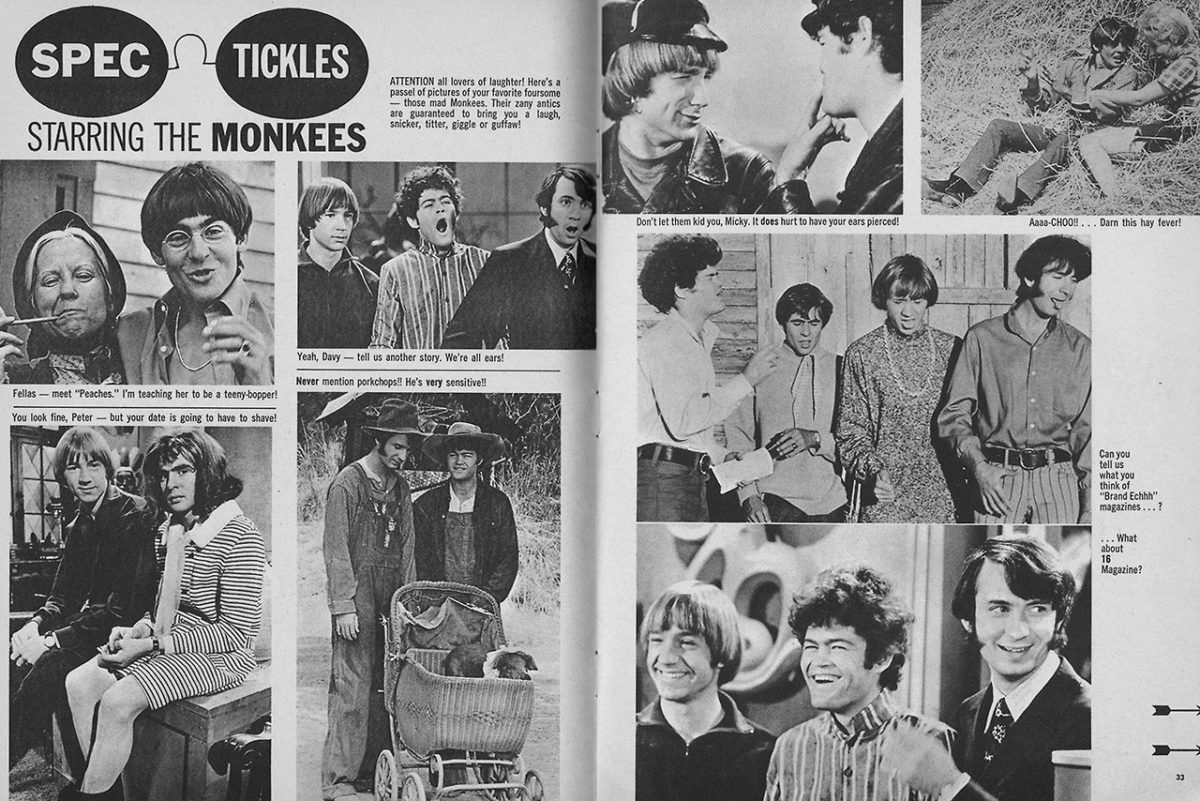
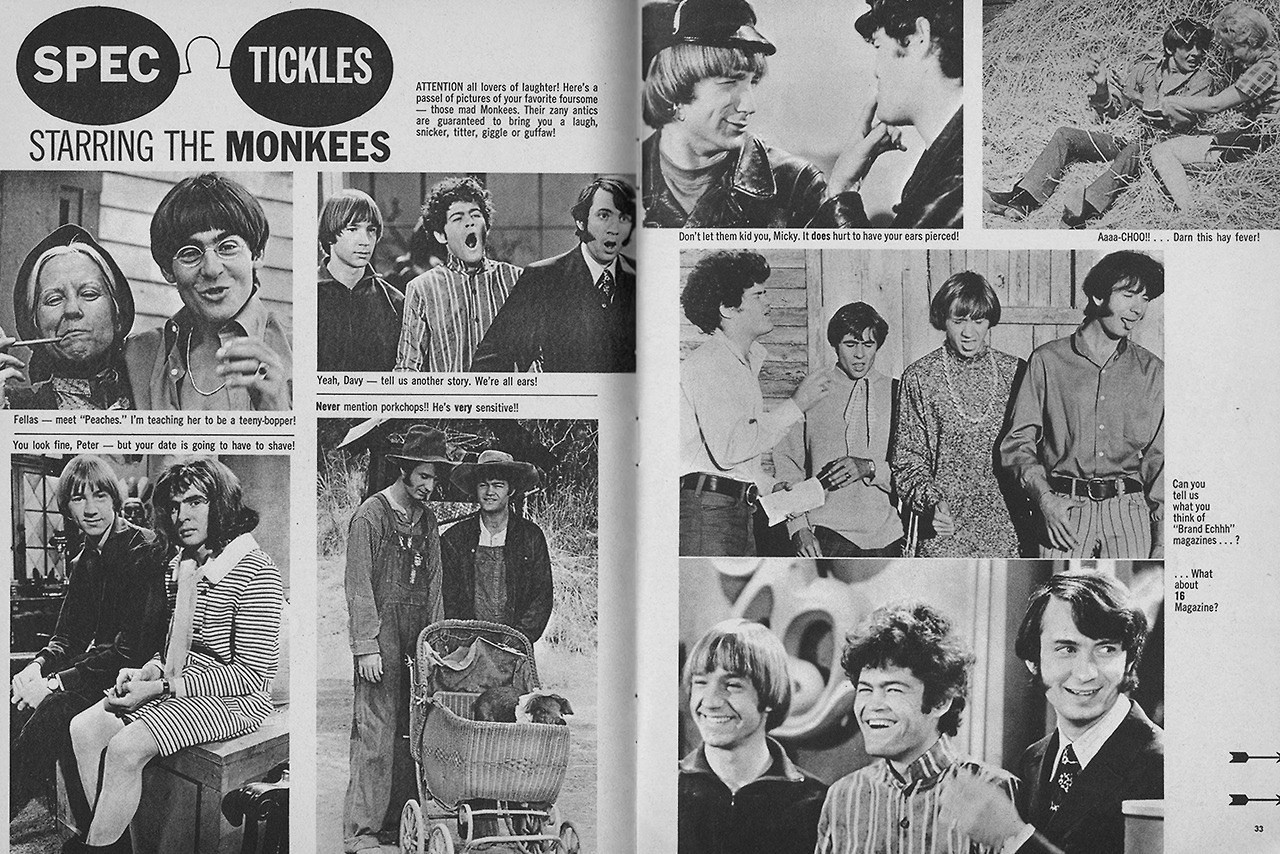
In this talk, she shows how The Monkees, and specifically their presence on television, set the stage for large changes to come in the late 1960s.
Transcript
She turns down the cute boy to do her job. Her job and her responsibility is being queen. Right? That’s what she’s become/ It’s not about can I get the cute boy? And I’m like Wow! Every girl in America would have said yes to the cute boy. So that was an interesting, to me, feminist thought that you should think about your position and what you’re there to do in the world. It’s not just to make some boy happy. Right? And then she invites him to come and it’s kind of cute because he says “No. What I have to do is here with the guys and our music. We have to spread our message through the world in music.” So even he is led by his purpose in the world not by “Who am I going to have sex with this week.” So I think that’s really kind of a big statement for a TV show that I was watching as a kid. My thesis at the end of the book is, if you were a girl watching in 1966, you learned that to get a Monkee you didn’t want to be a cheerleader. You wanted to be a woman of value.
Rosanne Welch, PhD is a writer, producer and university professor with credits that include Beverly Hills 90210, Picket Fences, Touched by an Angel and ABC NEWS/Nightline. Other books include Why The Monkees Matter: Teenagers, Television and American Pop Culture (McFarland, 2017) and Women in American History: A Social, Political, and Cultural Encyclopedia and Document Collection (ABC-CLIO, 2017), named to the 2018 Outstanding References Sources List, by the Reference and User Services Association (RUSA), a division of the American Library Association. Welch has also published chapters in Torchwood Declassified: Investigating Mainstream Cult Television (I.B.Tauris) and The American Civil War on Film and TV: Blue and Gray in Black and White and Color (Lexington Books, 2018) and essays in Doctor Who and Race: An Anthology and Outside In Makes it So, and Outside in Boldly Goes (both edited by Robert Smith). By day she teaches courses on the history of screenwriting and on television writing for the Stephens College MFA in Screenwriting programs. Her talk “The Importance of Having a Female Voice in the Room” at the 2016 TEDxCPP is available on YouTube.
These 23 essays cover a range of female screenwriters from the early years of film through the 1940s, women whose work helped create the unforgettable stories and characters beloved generations of audiences but whose names have been left out of most film histories. Not this one. This collection is dedicated to those women and written by a group of women grateful to stand on the shoulders of those who came before – as a beacon to those who will come after.
Many thanks to the essay contributors who joined us and spoke so eloquently about the women writers they had researched: Toni Anita Hull, Laura Kirk, Amelia Phillips, Sarah Phillips, Julie Berkobien, Khanisha Foster, Lauren Smith, and to Cari Beauchamp, who wrote the Forward to the collection.
* A portion of each sale from Amazon.com directly supports our blogs ** Many of these books may be available from your local library. Check it out! † Available from the LA Public Library
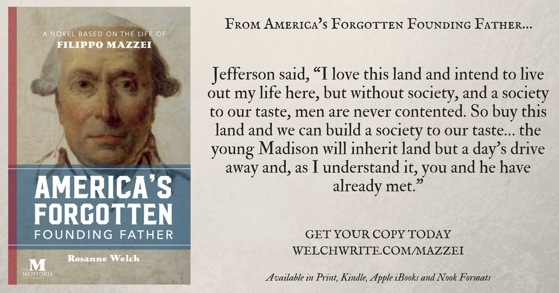
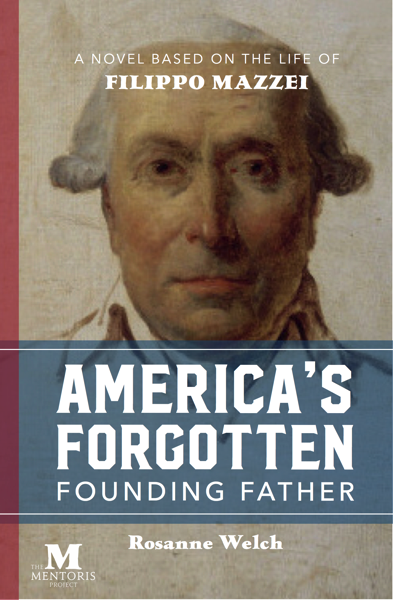
Jefferson said, “I love this land and intend to live out my life here, but without society, and a society to our taste, men are never contented. So buy this land and we can build a society to our taste… the young Madison will inherit land but a day’s drive away and, as I understand it, you and he have already met.”
* A portion of each sale from Amazon.com directly supports our blogs ** Many of these books may be available from your local library. Check it out! † Available from the LA Public Library


![Sarah Phillips, Author of “Screenwriter, Producer, and Director: Marion Fairfax” from “When Women Wrote Hollywood” [Video] (3:04)](https://rosannewelch.com/wp-content/uploads/2018/09/w3h-s.phillips.jpeg)



![Amelia Phillips, Author of “Jeanie MacPherson: A Life Unknown” from “When Women Wrote Hollywood” [Video] (3:51)](https://rosannewelch.com/wp-content/uploads/2018/08/w3h-a.phillips.jpeg)
![15 Be A Woman Of Value from How The Monkees Changed Television [Video] (0:56)](https://rosannewelch.com/wp-content/uploads/2018/08/monkees-tv-15-women-value.jpeg)
![Laura Kirk, Author of “Smart Girl In Charge: Eve Unsell” and “Marriage of Words: Bella And Sam Spewack” from “When Women Wrote Hollywood” [Video] (2:59)](https://rosannewelch.com/wp-content/uploads/2018/08/w3h-kirk.jpeg)




 †
†
