24 Monkees, Girlfriends and Wives from How The Monkees Changed Television [Video] (1:00)

What this entire presentation — How The Monkees Changed Television with Rosanne Welch, PhD (Complete Presentation and Q&A) [Video] (45:06)

24 Monkees, Girlfriends and Wives from How The Monkees Changed Television [Video] (1:00)

Rosanne Welch, PhD, Author of Why The Monkees Matter, presents “How The Monkees Changed Television” at a Cal State Fullerton Lunch Lecture on May 8, 2018.

In this talk, she shows how The Monkees, and specifically their presence on television, set the stage for large changes to come in the late 1960s.


Transcript

So his wife would have to travel separately when they were in country with the kid and sometimes she’d hang out with one of the other band members not one of the major guys but like you know the backup guitarist or something and they would look like they were a couple traveling behind The Monkees. Meanwhile he’s going to press events with Sally Field and the fan mags are all telling us Gidget and Davey are about to get together or Davy and Deanna Martin are about to get together right? All of that to feed the press and the newspapers. Not the real guy at all but that’s a third version of who he is right? So this messes them up and it messed the audience up because in America we’re not good with the idea of Renaissance people — that people have more than one Talent. So back when the show goes off the air it’s very hard for any of these guys to get work again because everybody thinks they’re this goofy set of guys who lives in that funny apartment on Malibu and they’re not really serious right?


 Buy Why The Monkees Matter: Teenagers, Television and American Pop Culture


A hit television show about a fictitious rock band, The Monkees (1966-1968) earned two Emmys–Outstanding Comedy Series and Outstanding Directorial Acheivement in Comedy.

Capitalizing on the show’s success, the actual band formed by the actors, at their peak, sold more albums than The Beatles and The Rolling Stones combined, and set the stage for other musical TV characters from The Partridge Family to Hannah Montana. In the late 1980s, the Monkees began a series of reunion tours that continued into their 50th anniversary.

This book tells the story of The Monkees and how the show changed television, introducing a new generation to the fourth-wall-breaking slapstick created by Laurel and Hardy and the Marx Brothers.

Its creators contributed to the innovative film and television of 1970s with projects like Bob & Carol & Ted & Alice, The Mary Tyler Moore Show, Laugh-In and Welcome Back, Kotter. Immense profits from the show, its music and its merchandising funded the producers’ move into films such as Head, Easy Riderand Five Easy Pieces.

McFarland (Direct from Publisher) | Amazon | Kindle Edition | Nook Edition

Want to use “Why The Monkees Matter” in your classroom?

Order Examination Copies, Library and Campus Bookstore orders directly from McFarland

McFarland Company logo

36 Craig Owens from Gender Diversity in the Who-niverse [Video] (0:57)

Watch this entire presentation: Gender Diversity in the Who-niverse: Paving the Way for a Lady Doctor with Dr. Rosanne Welch [Video] (36:58)

36 Craig Owens from Gender Diversity in the Who-niverse [Video] (0:57)

For her 5th Doctor Who lecture to the CPP community, Dr. Rosanne Welch discusses how society – and the show’s writing staff – prepared the audience for a major change in this 50-year franchise – the creation of the first Lady Doctor!

Transcript:

Then we have James Corden. Who doesn’t love James Corden right? When you’re bored some time you have to look at his Broadway his Tony Award Show opening. He’s wonderful and he’s all about inspiration and his character here is this goofy nutty dad who is just kind of a loser in many ways. He’s… he’s Stormageddons dad. Is that not just too cute for you, cuz cuz of course babies can talk to The Doctor and his name is Alfie but he tells The Doctor his name is Stormageddon and The Doctor tells his dad that. He as well kidnapped…. these Cybermen ruin everything don’t they. They just show up all the time but in this case he’s he’s about to be transformed into a Cyberman and hearing the baby cry draws the sensitivity in him to fight the Cyberman influence and break free. His dad-hood is what saves him. Not any other masculineness… Here’s my big gun. No I got all these big… The fact that he loves his child is the thing that saves his life. I think that’s so cool. I like that.

Follow Dr. Welch on Twitter and Instagram
https://twitter.com/rosannewelchhttp://instagram.com/drrosannewelch


Rosanne Welch, PhD

Rosanne Welch PhD teaches the History of Screenwriting and One-Hour Drama for the Stephens College MFA in Screenwriting.

Writing/producing credits include Beverly Hills 90210, Picket Fences, ABCNEWS: Nightline and Touched by an Angel. In 2016 she published the book Why The Monkees Matter: Teenagers, Television and American Pop; co-edited Women in American History: A Social, Political, and Cultural Encyclopedia; and placed “Transmitting Culture Transnationally Via the Characterization of Parents in Police Procedurals” in the New Review of Film and Television Studies. Essays appear in Torchwood Declassified: Investigating Mainstream Cult Television and Doctor Who and Race: An Anthology. Welch serves as Book Reviews editor for Journal of Screenwriting and on the Editorial Advisory Board for Written By magazine, the magazine of the Writers Guild.

Watch Dr. Welch’s talk “The Importance of Having a Female Voice in the Room” at the 2016 TEDxCPP.

23 Identity Construction and Confusion 2 from How The Monkees Changed Television [Video] (0:48)

What this entire presentation — How The Monkees Changed Television with Rosanne Welch, PhD (Complete Presentation and Q&A) [Video] (45:06)

23 Identity Construction and Confusion 2 from How The Monkees Changed Television [Video] (0:48)

Rosanne Welch, PhD, Author of Why The Monkees Matter, presents “How The Monkees Changed Television” at a Cal State Fullerton Lunch Lecture on May 8, 2018.

In this talk, she shows how The Monkees, and specifically their presence on television, set the stage for large changes to come in the late 1960s.


Transcript

As they were putting the show together the original credits give him that name. By the time it finally gets on the air they’ve gone to Micky Dolenz. Don’t know why but now suddenly the character the goofy crazy one is Micky Dolenz and the problem with that is we don’t know who the real guys are and above and beyond the character you are and the person you are in your publicity the fan magazines were going crazy back in the day and they were inventing a persona for you. Micky Dolenz’s sister who tours with him musically now wrote a column “What it’s like to be Mickey’s sister”. Which you’re pretty sure wasn’t anything that actually happened in their family right and when Davy Jones decided to get married, it had to be kept a secret because nobody wanted the cute boy to be married or girls would feel guilty for wanting him that would be a bad thing to do


 Buy Why The Monkees Matter: Teenagers, Television and American Pop Culture


A hit television show about a fictitious rock band, The Monkees (1966-1968) earned two Emmys–Outstanding Comedy Series and Outstanding Directorial Acheivement in Comedy.

Capitalizing on the show’s success, the actual band formed by the actors, at their peak, sold more albums than The Beatles and The Rolling Stones combined, and set the stage for other musical TV characters from The Partridge Family to Hannah Montana. In the late 1980s, the Monkees began a series of reunion tours that continued into their 50th anniversary.

This book tells the story of The Monkees and how the show changed television, introducing a new generation to the fourth-wall-breaking slapstick created by Laurel and Hardy and the Marx Brothers.

Its creators contributed to the innovative film and television of 1970s with projects like Bob & Carol & Ted & Alice, The Mary Tyler Moore Show, Laugh-In and Welcome Back, Kotter. Immense profits from the show, its music and its merchandising funded the producers’ move into films such as Head, Easy Riderand Five Easy Pieces.

McFarland (Direct from Publisher) | Amazon | Kindle Edition | Nook Edition

Want to use “Why The Monkees Matter” in your classroom?

Order Examination Copies, Library and Campus Bookstore orders directly from McFarland

McFarland Company logo

35 Danny Pink from Gender Diversity in the Who-niverse [Video] (1:07)

Watch this entire presentation: Gender Diversity in the Who-niverse: Paving the Way for a Lady Doctor with Dr. Rosanne Welch [Video] (36:58)

35 Danny Pink from Gender Diversity in the Who-niverse [Video] (1:07)

For her 5th Doctor Who lecture to the CPP community, Dr. Rosanne Welch discusses how society – and the show’s writing staff – prepared the audience for a major change in this 50-year franchise – the creation of the first Lady Doctor!

Transcript:

So I think that’s pretty cool. Then we had Danny Pink, a guy who’d been in the wars who’s now a math teacher right? He’s Clara’s boyfriend. So we have him as a soldier but we really see him as a man who protects children because he worked with middle school children. We don’t have a lot of middle school teachers who are male right? Because we don’t pay them enough and that’s bad because young men need to see that teaching is an excellent career — that caregiving and that nurturing the younger generation is a valuable thing to do with your life. So Danny Pink is really important in that respect and of course in the same way sadly Danny becomes a Cyberman and he makes this ultimate choice. The Doctor has one chance that you can come back alive from that and it gives it to Danny and instead of taking it for himself so he can come back and be with his girlfriend, he gives it to the little Afghan child that he accidentally shot when he was in the wars. He gives away his chance to live to a boy that was you know accidentally shot by him and I’m like what a powerful thing for a male character to choose to do. I think that makes Danny super super sensitive right and super strong!

Follow Dr. Welch on Twitter and Instagram
https://twitter.com/rosannewelchhttp://instagram.com/drrosannewelch


Rosanne Welch, PhD

Rosanne Welch PhD teaches the History of Screenwriting and One-Hour Drama for the Stephens College MFA in Screenwriting.

Writing/producing credits include Beverly Hills 90210, Picket Fences, ABCNEWS: Nightline and Touched by an Angel. In 2016 she published the book Why The Monkees Matter: Teenagers, Television and American Pop; co-edited Women in American History: A Social, Political, and Cultural Encyclopedia; and placed “Transmitting Culture Transnationally Via the Characterization of Parents in Police Procedurals” in the New Review of Film and Television Studies. Essays appear in Torchwood Declassified: Investigating Mainstream Cult Television and Doctor Who and Race: An Anthology. Welch serves as Book Reviews editor for Journal of Screenwriting and on the Editorial Advisory Board for Written By magazine, the magazine of the Writers Guild.

Watch Dr. Welch’s talk “The Importance of Having a Female Voice in the Room” at the 2016 TEDxCPP.

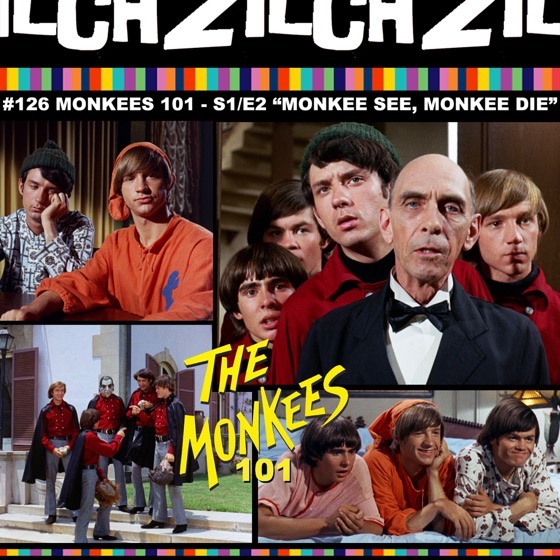
Rosanne Co-Hosts Zilch #126 Monkees 101 – “Monkee See, Monkee Die” for Halloween

I’m having more fun than should be allowed recording this new segment on Zilch:  Monkees 101.  So far Dr. Sarah Clark and I have recorded 4 of our shows and the 2nd episode is a deconstruction of the 2nd episode of The Monkees to be broadcast.  “Monkee See, Monkee Die” was written by Treva Silverman and involves the Monkees attending the reading of a late millionaire’s will, but in order to earn the organ he has left to them, they must stay the night in his haunted castle. — Rosanne

Rosanne Co-Hosts Zilch #126 Monkees 101 -

Drs. Rosanne Welch and Sarah Clark debut their new series for Zilch! entitled Monkees 101.

Join them for a fun, thoughtful romp through S1 E2 Monkee See, Monkee Die” the second episode of The Monkees to air. Originally aired 10/29/18.

“Monkee See, Monkee Die” for Halloween – Download

Want to learn more about The Monkees? Buy Why The Monkees Matter: Teenagers, Television and American Pop Culture


A hit television show about a fictitious rock band, The Monkees (1966-1968) earned two Emmys–Outstanding Comedy Series and Outstanding Directorial Acheivement in Comedy.

Capitalizing on the show’s success, the actual band formed by the actors, at their peak, sold more albums than The Beatles and The Rolling Stones combined, and set the stage for other musical TV characters from The Partridge Family to Hannah Montana. In the late 1980s, the Monkees began a series of reunion tours that continued into their 50th anniversary.

This book tells the story of The Monkees and how the show changed television, introducing a new generation to the fourth-wall-breaking slapstick created by Laurel and Hardy and the Marx Brothers.

Its creators contributed to the innovative film and television of 1970s with projects like Bob & Carol & Ted & Alice, The Mary Tyler Moore Show, Laugh-In and Welcome Back, Kotter. Immense profits from the show, its music and its merchandising funded the producers’ move into films such as Head, Easy Riderand Five Easy Pieces.

McFarland (Direct from Publisher) | Amazon | Kindle Edition | Nook Edition

Want to use “Why The Monkees Matter” in your classroom?

Order Examination Copies, Library and Campus Bookstore orders directly from McFarland

McFarland Company logo

34 Rory Williams from Gender Diversity in the Who-niverse [Video] (0:56)

Watch this entire presentation: Gender Diversity in the Who-niverse: Paving the Way for a Lady Doctor with Dr. Rosanne Welch [Video] (36:58)

34 Rory Williams from Gender Diversity in the Who-niverse [Video] (0:56)

For her 5th Doctor Who lecture to the CPP community, Dr. Rosanne Welch discusses how society – and the show’s writing staff – prepared the audience for a major change in this 50-year franchise – the creation of the first Lady Doctor!

Transcript:

Rory is such a cool character. I know the joke has really died how many times almost as bad as South Park all right but think about what Rory did all right. First of all he willingly married somebody who was running around having these adventures right. When she was gone for a while he never lost faith that he would find her and that she would still love him. That nothing could happen that would make him stop loving her. He’s all about being a man in love with a woman. That is his definition in life right and usually that’s how we define women by the men in their life but Rory is defined by the woman in his life which is pretty cool and as we know when she was trapped in the Pandorica for a thousand years he willingly agreed to stay and guard her. That’s how much he loved her. So if I was thinking about sensitivity and emotions Rory is defined by his ability to love which again is generally gendered as a thing that women do best.

Follow Dr. Welch on Twitter and Instagram
https://twitter.com/rosannewelchhttp://instagram.com/drrosannewelch


Rosanne Welch, PhD

Rosanne Welch PhD teaches the History of Screenwriting and One-Hour Drama for the Stephens College MFA in Screenwriting.

Writing/producing credits include Beverly Hills 90210, Picket Fences, ABCNEWS: Nightline and Touched by an Angel. In 2016 she published the book Why The Monkees Matter: Teenagers, Television and American Pop; co-edited Women in American History: A Social, Political, and Cultural Encyclopedia; and placed “Transmitting Culture Transnationally Via the Characterization of Parents in Police Procedurals” in the New Review of Film and Television Studies. Essays appear in Torchwood Declassified: Investigating Mainstream Cult Television and Doctor Who and Race: An Anthology. Welch serves as Book Reviews editor for Journal of Screenwriting and on the Editorial Advisory Board for Written By magazine, the magazine of the Writers Guild.

Watch Dr. Welch’s talk “The Importance of Having a Female Voice in the Room” at the 2016 TEDxCPP.

22 Identity Construction and Confusion from How The Monkees Changed Television [Video] (1:07)

What this entire presentation — How The Monkees Changed Television with Rosanne Welch, PhD (Complete Presentation and Q&A) [Video] (45:06)

22 Identity Construction and Confusion from How The Monkees Changed Television [Video] (1:07)

Rosanne Welch, PhD, Author of Why The Monkees Matter, presents “How The Monkees Changed Television” at a Cal State Fullerton Lunch Lecture on May 8, 2018.

In this talk, she shows how The Monkees, and specifically their presence on television, set the stage for large changes to come in the late 1960s.


Transcript

This is probably the most critical studies interesting thing — their identity construction and of course by that we mean when we look at an actor many people assume they have the traits of their character, right? Tom Selleck is not, in fact, a Vietnam vet right? Magnum P.I. doesn’t exist but we assume they have these traits. This was very difficult for these guys because normally on a TV show you’d be given a character name right? The guys on the Big Bang Theory that’s not your– it’s Johnny Galecki it’s not Leonard, right? So we know that they’re acting they have a fake name on this show. For whatever reason, they chose to use their real names — not them personally but the producers chose to have them use their real names. So right away the audience is lost between who’s Michael Nesmith the man versus Michael Nesmith the actor on the show right? Versus all these other Michael’s that are going to be invented here. What’s really triply interesting is in the very first pilot they gave Micky Dolenz the name he’d used on Circus Boy. That’s his acting name because when he was a child his dad didn’t want people to think that he got the job because who his dad was, so on Circus Boy, it stars Micky Braddock.


 Buy Why The Monkees Matter: Teenagers, Television and American Pop Culture


A hit television show about a fictitious rock band, The Monkees (1966-1968) earned two Emmys–Outstanding Comedy Series and Outstanding Directorial Acheivement in Comedy.

Capitalizing on the show’s success, the actual band formed by the actors, at their peak, sold more albums than The Beatles and The Rolling Stones combined, and set the stage for other musical TV characters from The Partridge Family to Hannah Montana. In the late 1980s, the Monkees began a series of reunion tours that continued into their 50th anniversary.

This book tells the story of The Monkees and how the show changed television, introducing a new generation to the fourth-wall-breaking slapstick created by Laurel and Hardy and the Marx Brothers.

Its creators contributed to the innovative film and television of 1970s with projects like Bob & Carol & Ted & Alice, The Mary Tyler Moore Show, Laugh-In and Welcome Back, Kotter. Immense profits from the show, its music and its merchandising funded the producers’ move into films such as Head, Easy Riderand Five Easy Pieces.

McFarland (Direct from Publisher) | Amazon | Kindle Edition | Nook Edition

Want to use “Why The Monkees Matter” in your classroom?

Order Examination Copies, Library and Campus Bookstore orders directly from McFarland

McFarland Company logo

33 Mickey and Martha from Gender Diversity in the Who-niverse [Video] (1:01)

Watch this entire presentation: Gender Diversity in the Who-niverse: Paving the Way for a Lady Doctor with Dr. Rosanne Welch [Video] (36:58)

33 Mickey and Martha from Gender Diversity in the Who-niverse [Video] (1:01)

For her 5th Doctor Who lecture to the CPP community, Dr. Rosanne Welch discusses how society – and the show’s writing staff – prepared the audience for a major change in this 50-year franchise – the creation of the first Lady Doctor!

Transcript:

…and just a side note in the world of production which I think is so interesting. When they went to film this particular episode each of these two actors had other jobs. So it turned out by accident they were only available on the same morning to film their goodbye scene. So Russell Davies invented the fact that they were married. he actually had two different stories written for them to film on different days and suddenly he only had them for 3 hours one morning. So he married them off. Though it was cute. Put it up there. Controversy from people saying “You took the only people of African descent and forced them to be married to each other like you don’t believe in interracial marriage.” I had two actors who could only work on one day. I had to be creative and I personally think that that’s an excellent ending for both of them because they shared adventures with The Doctor. How do you get together with someone who doesn’t share your background? who can’t understand your emotions and what you’ve done in your life, right? So Mickey. Mickey is a cool sensitive guy. Of course, I’ve already talked about captain Jack so I’ll just fly through him. Nothing wrong with looking at a few pictures of Captain Jack for a few minutes. Doesn’t hurt anybody to go, “Wow!”

Follow Dr. Welch on Twitter and Instagram
https://twitter.com/rosannewelchhttp://instagram.com/drrosannewelch


Rosanne Welch, PhD

Rosanne Welch PhD teaches the History of Screenwriting and One-Hour Drama for the Stephens College MFA in Screenwriting.

Writing/producing credits include Beverly Hills 90210, Picket Fences, ABCNEWS: Nightline and Touched by an Angel. In 2016 she published the book Why The Monkees Matter: Teenagers, Television and American Pop; co-edited Women in American History: A Social, Political, and Cultural Encyclopedia; and placed “Transmitting Culture Transnationally Via the Characterization of Parents in Police Procedurals” in the New Review of Film and Television Studies. Essays appear in Torchwood Declassified: Investigating Mainstream Cult Television and Doctor Who and Race: An Anthology. Welch serves as Book Reviews editor for Journal of Screenwriting and on the Editorial Advisory Board for Written By magazine, the magazine of the Writers Guild.

Watch Dr. Welch’s talk “The Importance of Having a Female Voice in the Room” at the 2016 TEDxCPP.

21 More Metatextuality and The Monkees from How The Monkees Changed Television [Video] (0:58)

What this entire presentation — How The Monkees Changed Television with Rosanne Welch, PhD (Complete Presentation and Q&A) [Video] (45:06)

21 More Metatextuality and The Monkees from How The Monkees Changed Television [Video] (0:58)

Rosanne Welch, PhD, Author of Why The Monkees Matter, presents “How The Monkees Changed Television” at a Cal State Fullerton Lunch Lecture on May 8, 2018.

In this talk, she shows how The Monkees, and specifically their presence on television, set the stage for large changes to come in the late 1960s.


Transcript

In this episode, which I’m sorry the still is dark, that’s Micky and he’s confronting the werewolf and the first thing he says to the werewolf is, “You know they won’t et you into Disneyland with hair that long.” Because at the time Disneyland had a dress policy and men with long hair were not allowed in the park as guests. So they were literally putting down a major American corporation in the middle of their program and they got away with it and he did that 2 or 3 times across — I would find it in two or three other episodes there’d be a joke about “Long hair’s going to keep you out of Disneyland.” So it made me wonder if at any time any of them had attempted to go to Disneyland with their children and not been allowed in. I have not found proof of that, but I wonder why they were particularly made at Disneyland. I don’t know. Of course, often they would do things like this — Micky said, “Peter! I’ve got an idea!” and then the light bulb and Peter would say, “Wait! Let’s hear Micky’s idea.” So often they were speaking to the audience which was a particular thing that was talked about — Seinfeld gets credit for and whatnot, but these guys did it very early on.


 Buy Why The Monkees Matter: Teenagers, Television and American Pop Culture


A hit television show about a fictitious rock band, The Monkees (1966-1968) earned two Emmys–Outstanding Comedy Series and Outstanding Directorial Acheivement in Comedy.

Capitalizing on the show’s success, the actual band formed by the actors, at their peak, sold more albums than The Beatles and The Rolling Stones combined, and set the stage for other musical TV characters from The Partridge Family to Hannah Montana. In the late 1980s, the Monkees began a series of reunion tours that continued into their 50th anniversary.

This book tells the story of The Monkees and how the show changed television, introducing a new generation to the fourth-wall-breaking slapstick created by Laurel and Hardy and the Marx Brothers.

Its creators contributed to the innovative film and television of 1970s with projects like Bob & Carol & Ted & Alice, The Mary Tyler Moore Show, Laugh-In and Welcome Back, Kotter. Immense profits from the show, its music and its merchandising funded the producers’ move into films such as Head, Easy Riderand Five Easy Pieces.

McFarland (Direct from Publisher) | Amazon | Kindle Edition | Nook Edition

Want to use “Why The Monkees Matter” in your classroom?

Order Examination Copies, Library and Campus Bookstore orders directly from McFarland

McFarland Company logo

32 Mickey Smith from Gender Diversity in the Who-niverse [Video ] (1:07)

Watch this entire presentation: Gender Diversity in the Who-niverse: Paving the Way for a Lady Doctor with Dr. Rosanne Welch [Video] (36:58)

32 Mickey Smith from Gender Diversity in the Who-niverse [Video ] (1:07)

For her 5th Doctor Who lecture to the CPP community, Dr. Rosanne Welch discusses how society – and the show’s writing staff – prepared the audience for a major change in this 50-year franchise – the creation of the first Lady Doctor!

Transcript:

Mickey is probably one of my favorite companions. Right? Because he starts out as Rose’s boyfriend. He loses her to The Doctor — so that kind of makes him a loser because he lost his girlfriend. That’s kind of sad, right and they played with that a little bit. He wasn’t quite as good as The Doctor, but he worked at it. He discovered that he wanted to be more in the episode where Sarah Jane came back and what he really does that is so cool is when he has a chance to pick a parallel universe or a real universe, he wants to stay in the universe where his grandmother is still alive. His grandmother is the most important influence in his life. Not a grandfather. Not a dad. A woman who he wants to spend more time within his own life. SoI thought that was a super cool thing for him to choose to do. And of course, at the very end of David Tennant’s era, he visited all his past companions and did something to save their life before he regenerated and we discovered that in the interim Mickey and Martha have fallen in love and gotten married. So, he picked the most equal and powerful woman that he could be with if he couldn’t have Rose. Right? So, he grew up and moved on to an adult relationship, not a dependent younger relationship..

Follow Dr. Welch on Twitter and Instagram
https://twitter.com/rosannewelchhttp://instagram.com/drrosannewelch


Rosanne Welch, PhD

Rosanne Welch PhD teaches the History of Screenwriting and One-Hour Drama for the Stephens College MFA in Screenwriting.

Writing/producing credits include Beverly Hills 90210, Picket Fences, ABCNEWS: Nightline and Touched by an Angel. In 2016 she published the book Why The Monkees Matter: Teenagers, Television and American Pop; co-edited Women in American History: A Social, Political, and Cultural Encyclopedia; and placed “Transmitting Culture Transnationally Via the Characterization of Parents in Police Procedurals” in the New Review of Film and Television Studies. Essays appear in Torchwood Declassified: Investigating Mainstream Cult Television and Doctor Who and Race: An Anthology. Welch serves as Book Reviews editor for Journal of Screenwriting and on the Editorial Advisory Board for Written By magazine, the magazine of the Writers Guild.

Watch Dr. Welch’s talk “The Importance of Having a Female Voice in the Room” at the 2016 TEDxCPP.