New material in the form of Outtakes included in the course of an episode or added to the end in the form of a Tag, often became interjected inside the locked script. These outtakes truly let the audience feel as if they were a part of the whole production, in on the laugh as it were. In the end that is one key to the success of the program, letting the young audience be a part of something at a time they felt they had little say in anything going on around them.
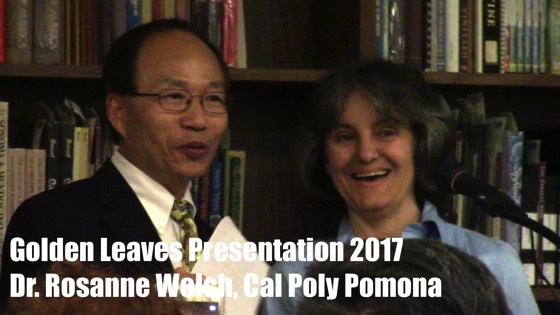
Each author was asked to describe their book. The encyclopedia came first (since Peg’s last name is Lamphier and the practice of alphabetical discrimination lives on). I let her have the honors since I knew I would speak about The Monkees’ book last. Going last I also had to keep in mind that the rest of the audience had already received their awards and were anxious to get back to the delightful dessert table – so humor came to the rescue as I commented on how odd it was to be speaking about my favorite television show when I was six after other professors had spoken of Immanuel Kant and architectural digs in South America and Mass Spectatorship in Modern France.
Here’s how I closed out the show…
Thanks to Doug for taking all the photos and video – and to Peg for being such a great collaborator – and to all the friends and fans who have read the book and enjoyed learning more about the 1967 Emmy Winner for Best New Comedy Series.
Buy These Books and Share Them With Your Local Librarian
* A portion of each sale from Amazon.com directly supports our blogs ** Many of these books may be available from your local library. Check it out!
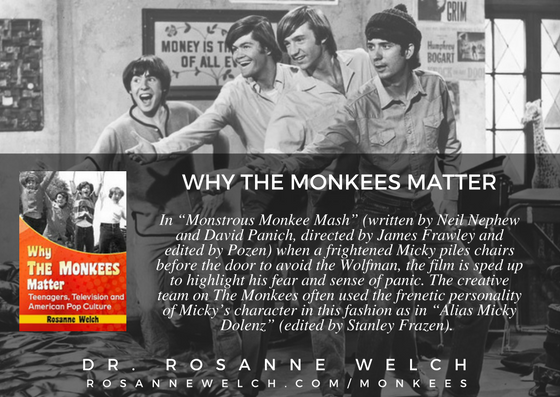
In “Monstrous Monkee Mash” (written by Neil Nephew and David Panich, directed by James Frawley and edited by Pozen) when a frightened Micky piles chairs before the door to avoid the Wolfman, the film is sped up to highlight his fear and sense of panic. The creative team on The Monkees often used the frenetic personality of Micky’s character in this fashion as in “Alias Micky Dolenz” (edited by Stanley Frazen).
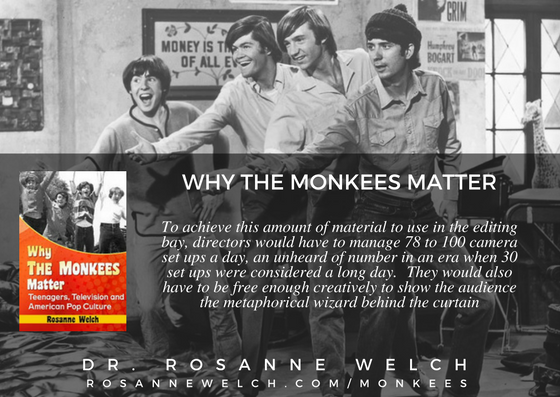
To achieve this amount of material to use in the editing bay, directors would have to manage 78 to 100 camera set ups a day, an unheard of number in an era when 30 set ups were considered a long day. They would also have to be free enough creatively to show the audience the metaphorical wizard behind the curtain.
Blondie, the Monkees and Joseph and the Amazing Technicolor Dreamcoat: these were Andy Murray’s musical touchstones as a child. As he explained on Friday, “My mum used to drive us a lot to and from tournaments that were five, six hours away, and singing was one way of keeping us amused.”
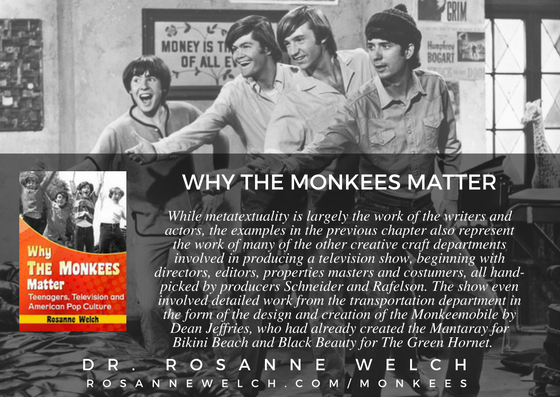
While metatextuality is largely the work of the writers and actors, the examples in the previous chapter also represent the work of many of the other creative craft departments involved in producing a television show, beginning with directors, editors, properties masters and costumers, all hand-picked by producers Schneider and Rafelson. The show even involved detailed work from the transportation department in the form of the design and creation of the Monkeemobile by Dean Jeffries, who had already created the Mantaray for Bikini Beach and Black Beauty for The Green Hornet.
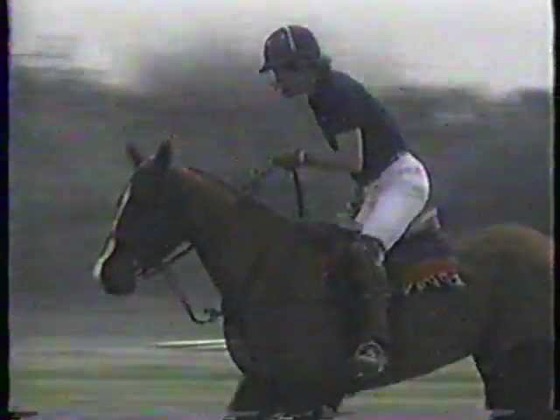
In honor of Micky’s performances last weekend at Club 54 here’s a fun blast from the past clip of him being interviewed on Lifestyles of the Rich and Famous back before the 1986 reunion tour – when he was working as a director and living in the lovely English home profiled in the show and playing polo.
This book signing at Book Soup was wonderful – good people, good conversation (before and after the signing). Just another example of the kind of quality positive people who have been drawn to The Monkees across generations – I even met a former head of publicity for ScreenGems who had some fun stories to tell. — Rosanne
What I’m not sure that I should admit — in such an august work of academia — is that I concocted the entire pitch for the original piece in Written By magazine partly for an excuse to interview Micky Dolenz. I’m sorry, but he was the teen idol of my childhood. So, I guess I won’t admit that to anybody. But I can tell you, the mere fact that I, a 50-year-old professional writer and academic, squealed when I hung up the phone that day after the interview and immediately called 3 or 4 of my oldest and best chick friends to say that I had just hung up on Micky Dolenz tells you something about the cultural touchstone that this group was for my generation and interestingly enough, for the next generation and the next generation, thanks to reruns on MTV and today the reruns on Antenna television, which I think is really something special.
Rachel Maddow stated during an interview with Peter Tork that “the teenagers of the 80’s learned what it was like to be a teenager in the 60’s from watching The Monkees reruns on MTV.” And that tells you something important about the show and how it’s resonated across time.
I had a blast as a guest talking head in this Zilch round table discussion of the Top Ten guest acting spots made by the lead’ actors before and after their time on The Monkees. Producers Melanie Mitchell and Sarah Clark invited me, Cindy Large and Richard Woloski to vote on and then discuss (ala Casey Kasem’s American Top 40) a variety of shows such as Micky’s early work on Peyton Place, Peter’s stop off on California Dreamin’ and the all-famous, iconic Davy taking Marcia to the prom on The Brady Bunch.
It’s a double-header! First, The Gang (including Rosanne Welch) rates their favorite Monkees TV Guest Appearances from Ed Sullivan to Portlandia—and beyond. Then, Melanie and Sarah talk with Boy Meets World Writer and Producer Jeffrey Sherman about the Monkees’ guest appearance, his musical heritage, and his amazing Hollywood memories.PS–Stay tuned all the way to the end for an update from Casey Kasem!
I had a blast as a guest talking head in this Zilch round table discussion of the Top Ten guest acting spots made by the lead’ actors before and after their time on The Monkees. Producers Melanie Mitchell and Sarah Clark invited me, Cindy Large and Richard Woloski to vote on and then discuss (ala Casey Kasem’s American Top 40) a variety of shows such as Micky’s early work on Peyton Place, Peter’s stop off on California Dreamin’ and the all-famous, iconic Davy taking Marcia to the prom on The Brady Bunch.
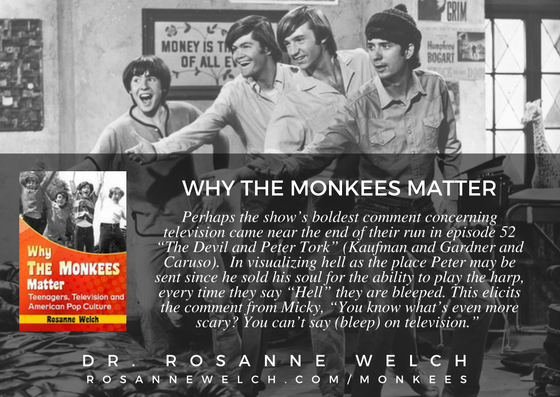
Perhaps the show’s boldest comment concerning television came near the end of their run in episode 52 “The Devil and Peter Tork” (Kaufman and Gardner and Caruso). In visualizing hell as the place Peter may be sent since he sold his soul for the ability to play the harp, every time they say “Hell” they are bleeped. This elicits the comment from Micky, “You know what’s even more scary? You can’t say (bleep) on television.”


![Dr. Rosanne Welch at Golden Leaves Presentation 2017, Cal Poly Pomona [Video]](https://rosannewelch.com/wp-content/uploads/2017/04/golden-leaves-award.jpg)
![The Monkees as Cultural Touchstone from Why The Monkees Matter Book Signing, Book Soup, Hollywood [Video] (1:04)](https://rosannewelch.com/wp-content/uploads/2017/03/wtmm-reading-03-culture.jpeg)