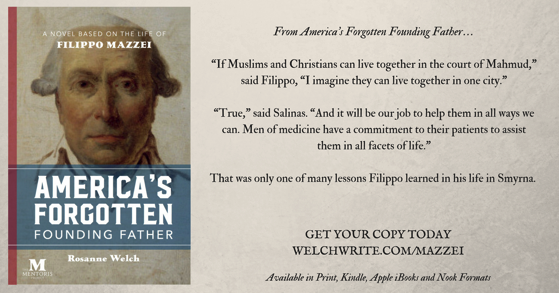
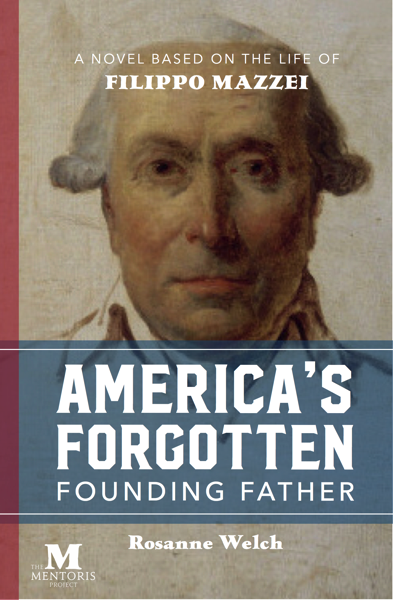
“If Muslims and Christians can live together in the court of Mahmud,” said Filippo, “I imagine they can live together in one city.”
“True,” said Salinas. “And it will be our job to help them in all ways we can. Men of medicine have a commitment to their patients to assist them in all facets of life.”
That was only one of many lessons Filippo learned in his life in Smyrna
For her 5th Doctor Who lecture to the CPP community, Dr. Rosanne Welch discusses how society – and the show’s writing staff – prepared the audience for a major change in this 50-year franchise – the creation of the first Lady Doctor!
Transcript:
Also, of course, as I said, Captain Jack, the first time we’re going to see — not first time but the first time very obviously Russell Davies wanted young gay men to see themselves on television as normal people. So you’re going to have Captain Jack in male relationships and gay relationships and it was just so incredibly cool to see and he’s so incredibly sexy. This is a lovely episode where we find out that Captain Jack stole his name from a real soldier in World War II and when they go back in time and they visit that guy it turns out to be the night before he’s going to die and our Captain Jack knows it but the real man doesn’t know it and they have a dance before he dies. You’re like “Oh my G–, I’m going to cry” it was so so good. So well done and then later he had an affair with one of the gentlemen who worked at Torchwood named Ianto and there’s a whole thing in England. There’s a whole shrine to Ianto. Very popular character.
Rosanne Welch PhD teaches the History of Screenwriting and One-Hour Drama for the Stephens College MFA in Screenwriting.
Writing/producing credits include Beverly Hills 90210, Picket Fences, ABCNEWS: Nightline and Touched by an Angel. In 2016 she published the book Why The Monkees Matter: Teenagers, Television and American Pop; co-edited Women in American History: A Social, Political, and Cultural Encyclopedia; and placed “Transmitting Culture Transnationally Via the Characterization of Parents in Police Procedurals” in the New Review of Film and Television Studies. Essays appear in Torchwood Declassified: Investigating Mainstream Cult Television and Doctor Who and Race: An Anthology. Welch serves as Book Reviews editor for Journal of Screenwriting and on the Editorial Advisory Board for Written By magazine, the magazine of the Writers Guild.
I’m so excited to see that we’re now publishing on this collection of essays written by the original cohort of students in our first Stephens College MFA in Screenwriting which I edited and for which author Cari Beauchamp wrote a wonderful forward covering the life and influence of Frances Marion.
These 23 essays cover a range of female screenwriters from the early years of film through the 1940s, women whose work helped create the unforgettable stories and characters beloved generations of audiences but whose names have been left out of most film histories. Not this one. This collection is dedicated to those women and written by a group of women grateful to stand on the shoulders of those who came before – as a beacon to those who will come after.
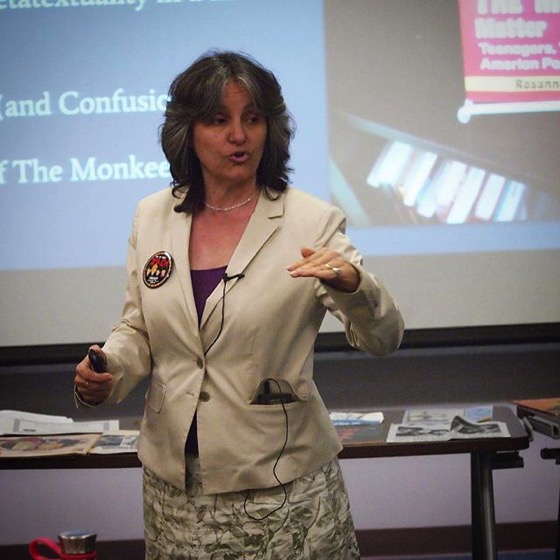
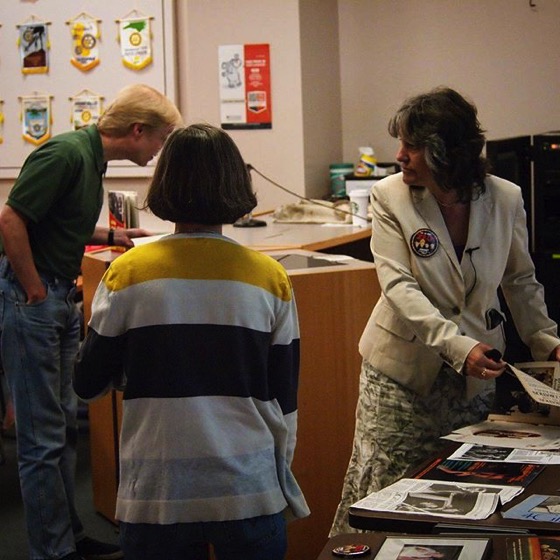
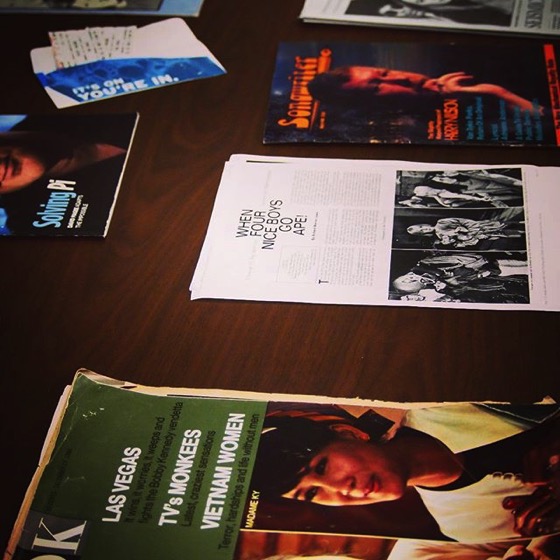
Before my presentation on “How The Monkees Changed Television” at Cal Fullerton Lunchtime Lectures Complete video of this presentation is now available at RosanneWelch.com
Rosanne Welch, PhD, Author of Why The Monkees Matter, presents “How The Monkees Changed Television” at a Cal State Fullerton Lunch Lecture on May 8, 2018.
In this talk, she shows how The Monkees, and specifically their presence on television, set the stage for large changes to come in the late 1960s.
Rosanne Welch, PhD is a writer, producer and university professor with credits that include Beverly Hills 90210, Picket Fences, Touched by an Angel and ABC NEWS/Nightline. Other books include Why The Monkees Matter: Teenagers, Television and American Pop Culture (McFarland, 2017) and Women in American History: A Social, Political, and Cultural Encyclopedia and Document Collection (ABC-CLIO, 2017), named to the 2018 Outstanding References Sources List, by the Reference and User Services Association (RUSA), a division of the American Library Association. Welch has also published chapters in Torchwood Declassified: Investigating Mainstream Cult Television (I.B.Tauris) and The American Civil War on Film and TV: Blue and Gray in Black and White and Color (Lexington Books, 2018) and essays in Doctor Who and Race: An Anthology and Outside In Makes it So, and Outside in Boldly Goes (both edited by Robert Smith). By day she teaches courses on the history of screenwriting and on television writing for the Stephens College MFA in Screenwriting programs. Her talk “The Importance of Having a Female Voice in the Room” at the 2016 TEDxCPP is available on YouTube.
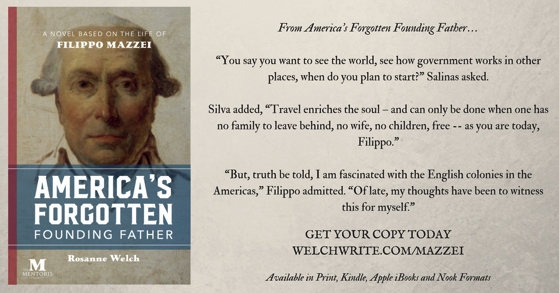
“You say you want to see the world, see how government works in other places, when do you plan to start?” Salinas asked.
Silva added, “Travel enriches the soul – and can only be done when one has no family to leave behind, no wife, no children, free — as you are today, Filippo.”
“But, truth be told, I am fascinated with the English colonies in the Americas,” Filippo admitted. “Of late, my thoughts have been to witness this for myself.”


![12 LGBTQ Representation and Doctor Who from Gender Diversity in the Who-niverse [Video] (0:52)](https://rosannewelch.com/wp-content/uploads/2018/05/gender-dw-12-lgbtq.jpeg)


![How The Monkees Changed Television with Rosanne Welch, PhD (Complete Presentation and Q&A) [Video] (45:06)](https://rosannewelch.com/wp-content/uploads/2018/05/How-The-Monkees-Changed-Television-1.png)


 and Follow